When it comes to the effective functioning of your HVAC (Heating, Ventilation, and Air Conditioning) system, few components are as crucial as the air filter. While it may seem like a simple part of the system, the filter plays a pivotal role in ensuring that your home or office remains comfortable and healthy. From improving air quality to enhancing energy efficiency, the proper care and maintenance of your HVAC filters can lead to substantial long-term benefits.
However, despite their importance, many homeowners overlook or underestimate the role of filters in their HVAC systems. This often leads to suboptimal performance, higher energy costs, and poor indoor air quality. In this article, we’ll explore why filters are so essential, how to choose the right one, and provide a step-by-step guide to mastering filter maintenance in your HVAC system.
Why Filters Matter in Your HVAC System
To understand the importance of mastering filters in your HVAC system, it’s essential to first understand their role. HVAC filters are designed to trap dust, dirt, allergens, and other particles from the air that circulates through your system. Without them, these contaminants would be spread throughout your home, reducing indoor air quality and potentially causing health issues such as allergies, asthma, or respiratory problems.
But the benefits of filters go beyond just cleaning the air. A dirty or clogged filter can restrict airflow, forcing your HVAC system to work harder to maintain the desired temperature. This not only leads to higher energy consumption and increased utility bills but can also cause unnecessary strain on the system, potentially shortening its lifespan.
By maintaining your filters properly, you ensure that your HVAC system runs efficiently, providing cleaner air and saving money in the long run. Now, let’s take a look at the steps you can follow to master filters in your HVAC system.
Step 1: Understand the Different Types of Filters
There are several types of filters available for HVAC systems, each with its unique features and capabilities. Understanding the differences between them is the first step toward choosing the right one for your needs.
-
Fiberglass Filters: These are the most common and least expensive filters. They are typically designed to protect the HVAC system from larger debris, such as dust and dirt. However, they are less effective at filtering out smaller particles, such as pollen and pet dander.
-
Pleated Filters: Pleated filters offer better filtration than fiberglass filters because of their increased surface area. They can trap smaller particles, including pollen, mold spores, and pet dander, making them a good choice for improving indoor air quality.
-
HEPA Filters: High-Efficiency Particulate Air (HEPA) filters are the gold standard when it comes to filtration. These filters are designed to trap 99.97% of particles as small as 0.3 microns, making them highly effective at improving indoor air quality, especially for those with allergies or respiratory conditions. However, they may require a more robust HVAC system to ensure proper airflow, as they are denser than other filters.
-
Carbon Filters: These filters are equipped with activated carbon to absorb odors and gases, such as volatile organic compounds (VOCs) or cooking smells. They are particularly useful in environments where odors are a concern but are often paired with other filter types to provide complete filtration.
Choosing the right filter depends on your specific needs. If you’re primarily concerned with air quality, a pleated or HEPA filter might be ideal. If you’re looking for basic protection for your HVAC system, a fiberglass filter will suffice.
Step 2: Select the Right Filter for Your HVAC System
Once you understand the different filter types, the next step is to choose the right one for your HVAC system. Not all filters fit every unit, so it’s important to know the specifications of your system before making a purchase. Here are some key factors to consider:
-
Size: HVAC filters come in various sizes, and it’s critical to choose one that fits your system properly. Using a filter that’s too small or too large can reduce efficiency, leading to airflow issues and increased strain on the system.
-
MERV Rating: The Minimum Efficiency Reporting Value (MERV) rating indicates a filter’s ability to trap particles of different sizes. The higher the MERV rating, the better the filter is at trapping smaller particles. MERV ratings typically range from 1 to 16, with higher ratings indicating more effective filtration. However, a higher MERV rating may restrict airflow, so balance is key. A MERV rating between 8 and 13 is usually recommended for residential use.
-
Filter Material: As mentioned, different filters are made from different materials, such as fiberglass, polyester, or carbon. Choose a material that aligns with your needs. For better air quality, pleated or HEPA filters are preferred, while fiberglass filters work well for basic system protection.
-
Airflow Considerations: Remember that more efficient filters can restrict airflow if they are too dense for your system. If you opt for a high-efficiency filter like a HEPA filter, ensure that your HVAC system can handle it without causing undue strain.
Step 3: Regularly Replace or Clean Your Filters
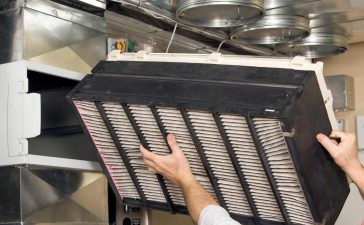
To master your HVAC filters, regular maintenance is essential. Clogged or dirty filters can significantly reduce the efficiency of your system, leading to higher energy costs and potential damage to your HVAC components.
-
Replacement Frequency: The frequency with which you need to replace or clean your filter depends on the type of filter, your usage, and environmental factors such as pets or dust levels. As a general rule:
-
Fiberglass filters should be replaced every 30 days.
-
Pleated filters should be replaced every 90 days.
-
HEPA filters may last six months to a year but should be checked regularly.
-
Carbon filters should be replaced every 60 to 90 days, depending on usage.
-
-
Inspecting Filters: Even if you’re not due for a replacement, it’s good practice to inspect your filters periodically. Check for visible signs of dirt and debris, and if the filter looks clogged, replace it sooner rather than later.
-
Cleaning Filters: Some filters, particularly reusable ones, can be cleaned rather than replaced. If your filter is washable, follow the manufacturer’s instructions for cleaning. Regular cleaning can extend the lifespan of the filter and ensure optimal performance.
Step 4: Improve Filter Efficiency with Additional Maintenance
To maximize the efficiency of your filters, it’s important to incorporate them into a larger maintenance routine for your HVAC system. This ensures that the system operates at its best, enhancing both air quality and energy efficiency.
-
Clean Coils and Ducts: Even with a high-quality filter, your HVAC system will still accumulate dirt and debris in other areas, such as the coils and ducts. Regularly cleaning the coils and ducts ensures that air circulates efficiently and that the filter does not become overburdened.
-
Seal Air Leaks: Check for any air leaks around your ducts and vents. Leaks can compromise airflow, causing the system to work harder than necessary. Sealing leaks can improve efficiency and reduce the workload on your filter and HVAC system.
-
Humidity Control: Excessive moisture in the air can cause dust and mold buildup, which can quickly clog your filters. Use a dehumidifier if needed, and keep humidity levels in check to ensure your filter performs optimally.
Step 5: Monitor Air Quality and Adjust Filters as Needed
Finally, after mastering the technicalities of HVAC filter maintenance, it’s important to monitor the air quality in your home. If you notice any issues such as increased dust, poor air quality, or even strange odors, it may be time to switch to a higher-efficiency filter or change the filter more frequently.
Pay attention to seasonal changes, as allergens such as pollen and mold can vary throughout the year. If you’re dealing with specific health concerns like allergies or asthma, consider upgrading to a HEPA filter or increasing your filter replacement frequency.
Conclusion
Mastering filters in your HVAC system is a powerful and effective way to improve air quality, enhance system efficiency, and reduce energy costs. By understanding the different types of filters, selecting the right one for your needs, and performing regular maintenance, you can ensure that your HVAC system operates at peak performance. A clean, well-maintained filter will not only improve the comfort of your home but also contribute to a healthier and more energy-efficient environment. So, take the time to care for your HVAC filters, and you’ll enjoy the long-term benefits they provide.