In the realm of home comfort, few systems play as critical a role as the furnace within your HVAC (Heating, Ventilation, and Air Conditioning) setup. A furnace is designed to keep your home warm and cozy during the colder months, but its operational efficiency can significantly impact your energy bills and long-term maintenance costs. As fuel and energy prices continue to rise, finding ways to lower operating costs without sacrificing comfort has become more important than ever. Fortunately, mastering your furnace system and understanding the various ways to optimize it can unlock substantial savings.
While many homeowners are aware that regular furnace maintenance is important, the extent of its impact on energy consumption and overall system efficiency is often underappreciated. In this article, we’ll explore several cost-saving secrets related to your furnace, offering practical tips that can reduce your utility bills, increase system longevity, and keep your home warm without breaking the bank.
1. Regular Maintenance: The Cornerstone of Efficiency
The first and most significant step in saving money with your furnace is ensuring it is properly maintained. A well-maintained furnace will run more efficiently, requiring less energy to produce the same level of heat. Think of it as the foundation of your cost-saving strategy.
-
Change the Air Filter Regularly: One of the simplest and most cost-effective steps you can take is to replace the furnace air filter every 1-3 months. Over time, air filters accumulate dust, dirt, and debris, which can obstruct airflow, causing the furnace to work harder and consume more energy. A clogged filter can also damage the furnace’s components, leading to costly repairs.
-
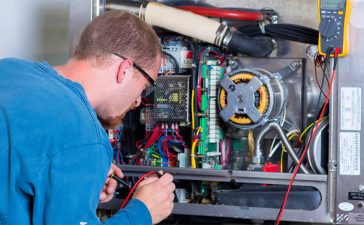
Annual Inspections and Tune-Ups: Schedule a professional tune-up at least once a year, preferably before the heating season starts. During a tune-up, a technician will clean the system, inspect the burner, check the thermostat, and ensure that all parts are functioning as they should. Regular inspections catch small issues before they escalate into expensive repairs or even the need for a full furnace replacement.
-
Clean the Blower and Vents: Dust and dirt can also accumulate in the blower fan and air ducts, limiting airflow and efficiency. A clean system will not only operate more effectively but will also prevent strain on the components, reducing the risk of malfunctions.
2. Upgrade to a High-Efficiency Furnace
If your furnace is outdated, investing in a newer, high-efficiency model could be one of the best cost-saving decisions you make. Furnaces are rated using the Annual Fuel Utilization Efficiency (AFUE) metric, which measures the amount of heat produced for every dollar spent on fuel. The higher the AFUE, the more efficient the furnace.
-
High-Efficiency Furnaces: Modern furnaces have AFUE ratings of 90% or higher, meaning they convert more energy into usable heat, wasting less fuel in the process. In contrast, older furnaces may have AFUE ratings of 60-70%, meaning they waste a significant portion of the energy they consume.
-
Variable-Speed Blowers: High-efficiency models often come equipped with variable-speed blowers, which adjust their speed based on heating needs. This means the furnace isn’t always running at full power, consuming excess energy when it’s not needed. Over time, this can significantly reduce your heating bills.
Although the initial investment in a high-efficiency furnace can be substantial, the long-term savings on your energy bills will quickly offset the upfront cost. Many models also qualify for rebates or tax credits, further reducing the financial burden of purchasing a new furnace.
3. Seal Leaks and Insulate Your Home
While the furnace itself plays a central role in heating your home, much of the heat it produces can be lost if your home is not properly sealed and insulated. Air leaks and inadequate insulation force your furnace to work overtime, driving up energy consumption and increasing costs.
-
Seal Air Leaks: Gaps around windows, doors, and ducts allow warm air to escape, forcing your furnace to keep running longer to maintain the desired temperature. Use caulk, weatherstripping, or foam sealant to seal these gaps, ensuring that the warm air stays inside.
-
Insulate Your Home: Proper insulation is key to maintaining a comfortable indoor temperature without excessive heating. Focus on insulating attics, walls, and floors, as well as adding insulation around ducts and pipes. This prevents heat from escaping and helps your furnace operate more efficiently.
By addressing these issues, you can significantly reduce the workload on your furnace, allowing it to function with less effort and lower energy consumption.
4. Use a Programmable Thermostat
One of the easiest ways to reduce furnace-related energy consumption is by using a programmable thermostat. These devices allow you to set a schedule for your heating system, ensuring that the furnace is not running when it’s not needed.
-
Set It and Forget It: A programmable thermostat can be set to lower the temperature when you’re asleep or away from home, and increase it before you return. This ensures that your furnace isn’t wasting energy heating an empty house. You can also program it to maintain a lower temperature at night or during the day when you don’t need as much warmth.
-
Smart Thermostats: For even more efficiency, consider upgrading to a smart thermostat. These devices learn your schedule and adjust the temperature automatically. Many smart thermostats can be controlled remotely via your smartphone, allowing you to adjust the settings when you’re away. Additionally, smart thermostats often provide detailed reports on your energy usage, helping you identify areas for improvement.
By optimizing the operation of your furnace with a programmable or smart thermostat, you can save a substantial amount of money on your heating bills.
5. Consider Zoning Your Home
If you have a large home, zoning your HVAC system can be an effective way to improve efficiency and reduce heating costs. Zoning involves dividing your home into sections (zones) that can be heated individually. This allows the furnace to heat only the areas of the home that are in use, avoiding unnecessary energy consumption.
-
Zoning Systems: A zoning system uses dampers in the ductwork to control the flow of air to different areas of the home. For example, if you spend most of your time in the living room and kitchen, you can set those areas to a warmer temperature while keeping the bedrooms cooler.
-
Customized Comfort: Zoning allows for customized comfort, meaning you don’t have to heat the entire house to a uniform temperature. This can significantly reduce the amount of energy your furnace uses, as you’re only heating the spaces you actually need.
Zoning systems can be installed in both new and existing homes, and while the initial investment may be higher, the savings on your energy bills over time can make it a worthwhile upgrade.
6. Maintain Proper Furnace Size and Capacity
One of the most important factors influencing your furnace’s efficiency is its size and capacity. A furnace that is too large for your home will cycle on and off frequently, wasting energy and leading to higher utility bills. On the other hand, a furnace that is too small for your space will struggle to keep up with heating demands, causing it to run constantly and consume more energy.
-
Proper Sizing: A professional HVAC technician can conduct a load calculation to determine the appropriate furnace size for your home. This calculation takes into account factors such as the square footage, insulation, and climate, ensuring that you get a furnace that is just right for your needs.
-
Efficient Performance: An appropriately sized furnace will not only operate more efficiently but will also be more comfortable, maintaining a consistent temperature throughout your home without excessive fluctuations.
7. Regularly Check and Maintain Furnace Filters
One of the easiest and most cost-effective ways to enhance your furnace’s efficiency is to regularly check and replace its air filters. Clogged filters restrict airflow, causing the furnace to work harder and consume more energy. Make it a habit to inspect the filters at least once a month during the heating season and replace them when necessary. Clean filters improve airflow, allowing the furnace to heat your home more effectively while consuming less energy.
Conclusion
Mastering the cost-saving secrets of furnace maintenance and optimization can yield substantial long-term benefits, both for your wallet and for your home’s comfort. By focusing on regular maintenance, upgrading to an energy-efficient furnace, sealing leaks, utilizing smart thermostats, and ensuring your system is properly sized and optimized, you can significantly reduce your heating costs while enjoying a warm, comfortable living space.
Investing in your furnace’s efficiency today will pay off in reduced utility bills, fewer repairs, and an extended system lifespan—providing you with peace of mind and comfort for years to come. Whether you’re upgrading your system, improving insulation, or simply fine-tuning your existing setup, these strategies will help you achieve significant savings while maintaining a cozy and energy-efficient home.