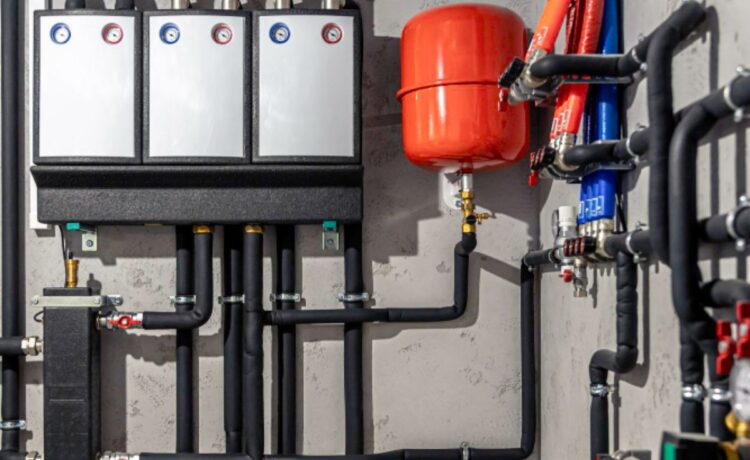
Residential plumbing systems are designed to bring clean water into your home and safely carry wastewater away. Although they operate mostly behind walls and beneath floors, these systems follow a clear and logical structure. Understanding how they work can help homeowners maintain efficiency, prevent damage, and respond quickly when problems arise.
The Two Main Parts of a Home Plumbing System
Every residential plumbing setup has two essential components working together:
1. Water supply system
This delivers fresh water from a municipal source or private well into your home.
2. Drain-waste-vent system
This removes used water and directs sewer gases safely out through ventilation pipes.
These systems operate independently but must function together for reliable performance.
How Fresh Water Enters the House
Clean water travels through underground pipes under pressure. That pressure allows water to move upward through walls and reach fixtures such as sinks, showers, and appliances.
The supply process typically follows this path:
- Water enters through the main service line
- It passes a shutoff valve
- Then flows into distribution pipes
- Finally reaches fixtures throughout the home
Supply pipes are commonly made from materials such as copper, PEX, or CPVC because they resist corrosion and maintain water quality.
Hot and Cold Water Distribution
After entering the home:
- Cold water travels directly to fixtures
- Some cold water enters the water heater
- Heated water is distributed through separate pipes
This split ensures consistent temperature control throughout the house.
How Wastewater Leaves the Home
Once water has been used, it must exit efficiently and safely. Gravity plays the primary role in this process.
Wastewater flows through:
- Fixture drains
- Branch drain lines
- Main sewer line
- Municipal sewer system or septic tank
Drain pipes are wider than supply pipes to prevent blockages and allow smooth movement of wastewater.
The Role of Vent Pipes
Vent pipes are essential but often overlooked components. They:
- Release sewer gases safely above the roof
- Maintain proper air pressure inside pipes
- Help drains flow smoothly
- Prevent water traps from emptying
Without venting, fixtures would drain slowly and unpleasant odors could enter living spaces.
What Plumbing Fixtures Connect To the System
Fixtures serve as connection points between users and the plumbing network. Common examples include:
- Sinks
- Toilets
- Bathtubs
- Showers
- Dishwashers
- Washing machines
Each fixture connects to both supply and drainage systems while maintaining a sealed pathway that prevents gas leaks.
Understanding the Purpose of P-Traps
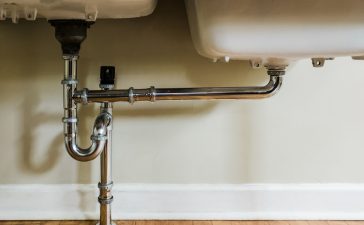
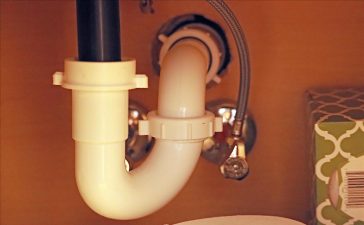
A P-trap is the curved pipe located beneath sinks and fixtures. It performs an important protective function.
It works by:
- Holding a small amount of water
- Blocking sewer gases from entering the home
- Allowing wastewater to continue flowing
This simple component improves both hygiene and indoor comfort.
The Importance of Water Pressure Regulation
Water pressure ensures reliable operation across fixtures. However, excessive pressure can damage pipes and appliances.
Most homes maintain safe pressure using:
- Pressure-reducing valves
- Shutoff valves
- Expansion tanks
Proper regulation protects the system from leaks and extends fixture lifespan.
How the Main Shutoff Valve Protects Your Home
The main shutoff valve controls water entering the entire house. It allows homeowners to stop water flow quickly during:
- Pipe bursts
- Appliance leaks
- Renovation work
- Maintenance tasks
Knowing its location can significantly reduce water damage during emergencies.
Differences Between Municipal Sewer Systems and Septic Systems
Homes typically use one of two wastewater disposal methods.
Municipal Sewer Systems
These connect directly to city infrastructure. Wastewater travels through underground pipes to treatment facilities before being released safely.
Advantages include:
- Minimal maintenance responsibility
- Reliable operation
- Efficient waste handling
Septic Systems
These are independent underground treatment systems installed on private property.
They include:
- A septic tank
- Drain field
- Soil filtration process
Regular inspection and pumping are required for proper operation.
Common Plumbing Materials Used in Homes
Modern residential plumbing uses several durable materials depending on application.
Common supply pipe materials include:
- Copper
- PEX
- CPVC
Drainage systems often use:
- PVC
- ABS piping
Each material offers specific advantages related to durability, flexibility, and cost.
Why Plumbing Systems Depend on Proper Slope
Drainage pipes rely on gravity rather than pressure. To function correctly, they must be installed with a slight downward slope.
This ensures:
- Efficient wastewater flow
- Reduced clog risk
- Long-term pipe reliability
Improper slope can lead to recurring drainage issues and costly repairs.
Signs Your Plumbing System May Need Attention
Recognizing early warning signs helps prevent major problems.
Watch for:
- Slow draining sinks
- Low water pressure
- Unusual pipe noises
- Water stains on walls or ceilings
- Unexpected increases in water bills
Addressing these indicators early protects both the plumbing system and the structure of the home.
How Preventive Maintenance Keeps Plumbing Reliable
Routine care extends the lifespan of residential plumbing systems.
Simple maintenance steps include:
- Checking for visible leaks
- Cleaning drains regularly
- Inspecting exposed pipes
- Testing shutoff valves
- Scheduling periodic professional inspections
Preventive actions reduce repair costs and improve efficiency.
Frequently Asked Questions
How long does a residential plumbing system typically last
Most plumbing systems last between 40 and 70 years depending on pipe materials, installation quality, and maintenance practices.
Why do pipes sometimes make knocking sounds
Knocking noises often occur due to sudden pressure changes inside pipes, commonly known as water hammer. Installing pressure control devices can reduce this issue.
Can tree roots damage underground plumbing lines
Yes. Tree roots naturally grow toward moisture sources and can enter small pipe cracks, eventually causing blockages or structural damage.
What causes sudden drops in water pressure
Common causes include pipe leaks, clogged fixtures, faulty pressure regulators, or municipal supply issues affecting the neighborhood.
Is it safe to use chemical drain cleaners regularly
Frequent use of chemical cleaners can damage pipes over time. Mechanical cleaning methods or professional service are safer long-term options.
How often should a septic tank be pumped
Most septic tanks require pumping every three to five years depending on household size and water usage levels.
What is the benefit of installing a whole-house water filter
Whole-house filtration improves water quality by removing sediment, chlorine, and contaminants before water reaches fixtures and appliances.