When it comes to ensuring that your home or business stays comfortable throughout the year, the HVAC (Heating, Ventilation, and Air Conditioning) system plays a critical role. However, many property owners overlook the fact that their HVAC system requires regular maintenance to function at peak efficiency. In fact, proper HVAC maintenance is one of the most effective strategies for reducing long-term costs and avoiding unnecessary repairs. From lowering energy bills to extending the lifespan of your system, regular maintenance provides a wealth of benefits that go far beyond simply keeping your space cool in summer or warm in winter.
In this article, we will explore several cost-saving secrets that can be unlocked through effective HVAC maintenance. These strategies not only improve the efficiency of your system but also help avoid expensive repairs, reduce energy consumption, and keep your heating and cooling costs under control.
1. Improved Energy Efficiency
One of the primary benefits of HVAC maintenance is the improvement of energy efficiency. An HVAC system that is not regularly maintained will have to work harder to reach the desired temperature, consuming more energy in the process. Simple issues such as clogged air filters, dirty coils, or malfunctioning thermostats can force your system to operate inefficiently, resulting in higher utility bills.
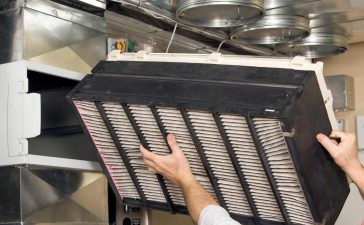
Regular maintenance allows HVAC technicians to clean and inspect the system, ensuring that all components are functioning optimally. For example, cleaning condenser coils and evaporator coils can reduce the amount of energy the system uses to cool or heat your space. Additionally, ensuring that the air filters are clean allows for better airflow, which decreases the strain on the system, allowing it to maintain a comfortable temperature without overworking itself.
An efficient HVAC system can lower your monthly energy bills significantly. By investing in routine maintenance, you can avoid the energy-wasting inefficiencies that would otherwise lead to inflated costs.
2. Prevention of Costly Repairs
Just like any other mechanical system, HVAC systems are prone to wear and tear over time. Without proper maintenance, small issues can easily turn into major repairs or even system failures. A malfunctioning air conditioner, for instance, may not cool your home properly, causing the system to run for longer periods than necessary. Over time, this can lead to expensive repairs, including compressor failure, which is one of the most costly problems to fix in HVAC systems.
Regular inspections allow technicians to spot issues early, long before they develop into serious problems. Replacing worn-out components such as belts or motors before they fail entirely can prevent costly breakdowns and emergency repairs. Routine maintenance may also uncover small leaks in refrigerant lines, which can lower the system’s efficiency and result in expensive fixes if not addressed promptly.
By staying ahead of repairs through regular maintenance, you protect yourself from large, unexpected bills down the line.
3. Extending the Lifespan of Your System
HVAC systems can be significant investments, and replacing them can be a costly endeavor. The average lifespan of an HVAC system is around 10 to 15 years, depending on the type of system and how well it’s maintained. Without proper care, however, the system’s life expectancy can be shortened, requiring premature replacement and forcing homeowners to spend thousands of dollars on a new unit.
One of the best ways to extend the lifespan of your HVAC system is through consistent maintenance. During regular service visits, HVAC technicians will clean the components, lubricate moving parts, check refrigerant levels, and make any necessary adjustments to ensure the system runs smoothly. This not only helps prevent excessive wear but also ensures that the system operates without straining its components.
By maintaining your system properly, you ensure that it performs well for many years, delaying the need for an expensive replacement and helping you get the most out of your initial investment.
4. Improved Indoor Air Quality
Air quality is something many homeowners take for granted, but it plays a significant role in health and comfort. A well-maintained HVAC system can improve indoor air quality by reducing dust, mold, and allergens that might otherwise circulate through the air. Over time, air ducts can accumulate dust and debris, which then gets carried throughout your home when the HVAC system is running. If left unchecked, these contaminants can cause respiratory issues, allergies, and general discomfort for you and your family.
Regular maintenance involves cleaning and changing air filters, inspecting air ducts, and checking for mold or moisture buildup, which can drastically improve the quality of the air you breathe. For those with asthma, allergies, or other respiratory conditions, clean air is crucial. It also helps maintain a healthy living environment.
By improving air quality, you can reduce the need for medical bills related to respiratory issues, while also creating a more comfortable and healthier indoor environment.
5. Smart Thermostat Integration
One of the easiest and most effective ways to optimize your HVAC system’s performance is by installing a smart thermostat. These devices allow you to program your HVAC system to run only when needed, avoiding unnecessary energy usage. Many modern thermostats can be connected to your smartphone, so you can adjust your home’s temperature remotely, ensuring you’re not wasting energy while you’re away.
Smart thermostats are particularly useful when combined with regular HVAC maintenance. When your system is running at peak efficiency, it works seamlessly with the smart thermostat, resulting in optimized performance and cost savings. Additionally, most smart thermostats offer energy usage reports, which can help you track your energy consumption and adjust your habits to save even more.
If you’re not already using a smart thermostat, consider installing one as part of your HVAC maintenance strategy to help reduce your overall heating and cooling costs.
6. Optimizing System Efficiency with Insulation and Sealing
While routine HVAC maintenance focuses on keeping your system in top condition, it’s also important to consider your home’s insulation and air sealing. A significant portion of your heating and cooling costs can be attributed to air leaks and poor insulation. Gaps around windows and doors or insufficient attic insulation can cause your HVAC system to work harder to maintain a comfortable temperature, leading to wasted energy and higher bills.
Part of maintaining your HVAC system includes ensuring that your home is well-insulated and sealed. During a maintenance visit, technicians may check for drafts and recommend sealing any leaks in the windows, doors, or ductwork. They may also advise adding insulation to areas like the attic, which helps keep the desired temperature in and the outside weather out.
By improving your home’s insulation and sealing, your HVAC system won’t have to work as hard, which results in significant savings on energy bills.
7. Avoiding Emergency Repairs
Emergency repairs are often the most expensive part of HVAC maintenance. When a system breaks down suddenly, especially in the middle of a heatwave or during the coldest months of winter, you may have no choice but to pay a premium for repairs or even a replacement. However, with regular preventive maintenance, you can avoid most emergency repairs.
Routine inspections allow technicians to identify potential problems and fix them before they escalate into full-fledged emergencies. With annual check-ups, the system is more likely to run smoothly throughout the year, saving you from the stress and high cost of urgent repairs.
Conclusion: Invest in Maintenance for Long-Term Savings
Incorporating regular maintenance into your HVAC strategy is one of the most cost-effective ways to ensure your system runs efficiently, lasts longer, and helps maintain a comfortable living environment. Whether you’re looking to lower energy bills, reduce the likelihood of expensive repairs, or improve the air quality in your home, maintaining your HVAC system is essential. While it may seem like an upfront cost, the long-term savings from fewer repairs, extended system lifespan, and reduced energy usage are well worth the investment.