Heating, ventilation, and air conditioning systems play a central role in maintaining comfortable indoor environments throughout the year. A properly designed HVAC system regulates temperature, improves air circulation, and supports healthy indoor air quality. Whether installed in homes or workplaces, modern HVAC solutions enhance energy efficiency while reducing long term maintenance concerns.
Understanding how HVAC systems work and how to maintain them helps homeowners make better decisions about installation, upgrades, and daily usage.
What an HVAC System Does
An HVAC system controls indoor climate conditions by managing heating, cooling, airflow, and humidity levels. These systems operate through coordinated components designed to maintain consistent comfort.
Core functions include:
- Regulating indoor temperature during hot and cold seasons
- Circulating fresh air throughout living spaces
- Removing excess humidity from indoor environments
- Filtering airborne dust and pollutants
- Supporting healthier breathing conditions indoors
A balanced HVAC setup improves both comfort and long term property performance.
Main Components of an HVAC System
Understanding individual components helps homeowners identify maintenance needs and system performance issues.
Important components include:
- Thermostat that controls temperature settings
- Furnace or heating unit responsible for warming indoor air
- Air conditioner that removes indoor heat during warmer months
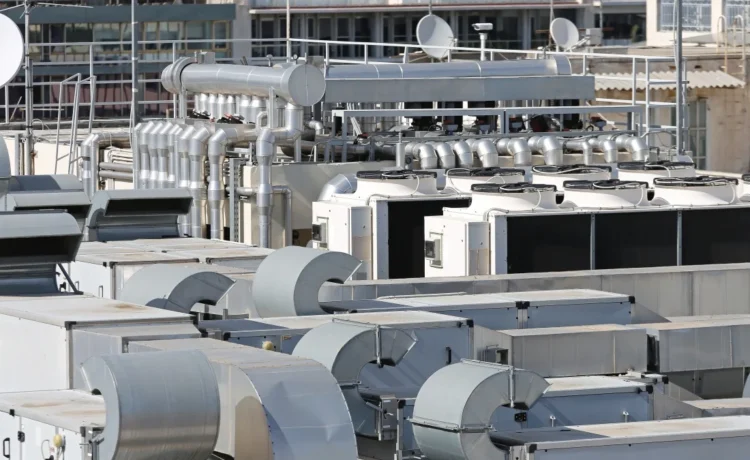
- Air ducts that distribute conditioned air throughout the building
- Ventilation system that manages airflow and air exchange
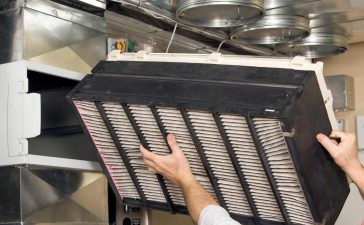
- Air filters that capture dust particles and allergens
Each component contributes to overall system efficiency.
Types of HVAC Systems Used in Homes
Different homes require different HVAC configurations depending on climate conditions, building structure, and budget considerations.
Common residential HVAC system types include:
Central HVAC Systems
Central systems distribute conditioned air through duct networks across multiple rooms. They are suitable for medium to large homes and provide consistent temperature control.
Split HVAC Systems
Split systems separate indoor and outdoor components. These systems are widely used because they are efficient and relatively easy to maintain.
Ductless Mini Split Systems
Ductless systems work well in homes without existing ductwork. They allow independent temperature control for individual rooms.
Hybrid HVAC Systems
Hybrid systems combine electric heat pumps with traditional heating sources. They improve energy efficiency during seasonal temperature changes.
Benefits of Installing an Efficient HVAC System
A modern HVAC system improves both daily comfort and long term home value.
Key benefits include:
- Consistent indoor temperature throughout the year
- Improved indoor air circulation
- Reduced humidity related discomfort
- Lower energy consumption with advanced models
- Better sleep quality due to stable indoor conditions
Efficient systems also support quieter operation compared to older installations.
Importance of Proper Ventilation for Indoor Health
Ventilation plays a critical role in maintaining fresh indoor air. Without proper airflow, indoor environments can become uncomfortable and unhealthy.
Effective ventilation helps:
- Remove stale indoor air
- Reduce indoor moisture buildup
- Prevent mold development
- Improve oxygen circulation indoors
- Support healthier breathing conditions
Ventilation works together with heating and cooling systems to maintain balanced air quality.
How Regular HVAC Maintenance Improves Performance
Routine maintenance ensures the system operates efficiently and prevents unexpected breakdowns.
Recommended maintenance practices include:
- Replacing air filters regularly
- Cleaning vents and ducts when necessary
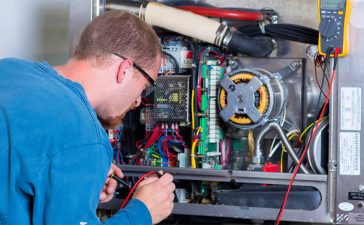
- Checking thermostat accuracy
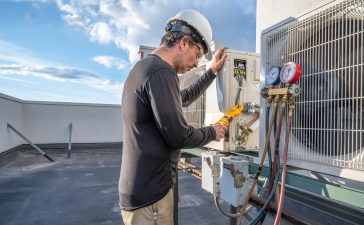
- Inspecting refrigerant levels in cooling units
- Scheduling professional inspections annually
Preventive care extends equipment lifespan and improves performance reliability.
Signs Your HVAC System Needs Attention
Recognizing early warning signs helps prevent costly repairs.
Common indicators include:
- Uneven room temperatures
- Unusual system noises during operation
- Weak airflow from vents
- Increased electricity bills without usage changes
- Frequent cycling of heating or cooling systems
Addressing these issues early improves system efficiency and comfort.
Energy Saving Tips for HVAC System Users
Simple adjustments can significantly improve system efficiency.
Helpful energy saving habits include:
- Setting moderate thermostat temperatures
- Closing doors and windows during operation
- Using ceiling fans to support air circulation
- Keeping vents unobstructed by furniture
- Scheduling seasonal professional servicing
Energy conscious usage reduces operating costs throughout the year.
Choosing the Right HVAC System for Your Home
Selecting the correct HVAC setup depends on several important factors.
Consider the following before installation:
- Size of the home
- Local climate conditions
- Existing insulation quality
- Available installation space
- Long term energy efficiency expectations
A properly sized system ensures consistent performance and reduced maintenance needs.
Frequently Asked Questions
How long does a typical HVAC system last
Most residential HVAC systems last between 10 and 15 years depending on maintenance quality and usage conditions.
How often should HVAC filters be replaced
Air filters should usually be replaced every one to three months depending on indoor air quality and system usage.
Can HVAC systems improve indoor air quality
Yes modern systems include filtration features that help remove dust allergens and airborne particles from indoor environments.
What temperature setting is recommended for energy efficiency
Moderate thermostat settings adjusted according to seasonal conditions help maintain comfort while reducing electricity usage.
Is professional HVAC servicing necessary every year
Annual servicing helps identify early issues improves system efficiency and extends equipment lifespan.
Do HVAC systems control humidity levels inside homes
Yes many HVAC systems regulate indoor humidity as part of their cooling and ventilation functions.
What factors affect HVAC installation cost
Installation costs depend on system type home size ductwork requirements equipment quality and labor complexity