When it comes to roofing systems, homeowners are often confronted with a range of options, each offering distinct advantages and challenges. Among the most commonly debated roofing features are gutters and flat roofs. While both serve critical functions in managing water flow and protecting the home from the elements, they differ significantly in terms of design, functionality, and maintenance requirements. Deciding between these two options can be complex, but by understanding their individual characteristics, you can make a more informed decision that suits your needs, preferences, and long-term goals. This article explores the key differences between gutters and flat roofs, examining their benefits, potential drawbacks, and how they can work together to create a more effective roofing solution.
Understanding the Basics
Before delving into a direct comparison, it’s important to clarify what each term represents.
-
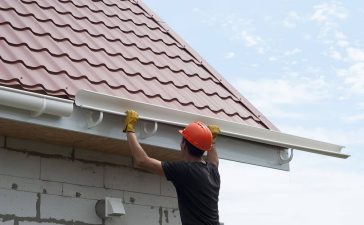
Gutters are a key component of sloped roofing systems. They are channels installed along the edge of a pitched roof that capture rainwater and direct it away from the building’s foundation. Gutters are typically made from materials such as aluminum, vinyl, or copper and are usually accompanied by downspouts that further direct water runoff to the ground or a drainage system.
-
Flat roofs, as the name suggests, are roofing systems that are virtually level or have a slight slope to facilitate water drainage. Unlike traditional sloped roofs, flat roofs do not have the same angle to guide water off the surface. Instead, flat roofs often rely on the installation of additional drainage mechanisms, such as scuppers, drains, and internal piping, to prevent water accumulation.
Both systems have their strengths and limitations, and choosing the best option for your home will depend on various factors, including climate, architectural style, and maintenance preferences.
Gutter Systems: The Traditional Choice
Gutters have been a staple of residential roofing for centuries, offering reliable and effective water management for sloped roofs. Their primary function is to direct rainwater away from the roof, walls, and foundation of the house, which helps prevent water damage, erosion, and foundation issues. Here’s why many homeowners opt for gutter systems:
1. Efficient Water Diversion
Gutters are highly effective at managing rainfall, especially for homes with steeply pitched roofs. The slope of the roof naturally guides water towards the gutters, which can then be channeled away from the building. This system works well in areas with heavy rainfall or snowfall, ensuring that water does not pool on the roof, which could lead to leaks or damage.
2. Ease of Installation
Installing gutters on a pitched roof is a relatively straightforward process, particularly for homes that are already built with sloped roofs. Gutters can be custom-fit to your roofline, ensuring proper water flow and efficient drainage. With proper installation, gutters are durable and require minimal maintenance to keep them functioning optimally.
3. Protection Against Foundation Damage
By directing rainwater away from the base of the home, gutters protect the foundation from water infiltration, which can cause cracks, erosion, and mold growth. Without gutters, water runoff can pool around the foundation, leading to serious structural damage over time.
4. Variety of Materials and Styles
Gutters come in a variety of materials, from budget-friendly vinyl to high-end copper. Homeowners can choose the style and material that best complements the aesthetic of their home, offering both practical functionality and curb appeal. Additionally, gutters can be equipped with leaf guards to reduce debris buildup and minimize maintenance.
However, gutters do have their drawbacks:
-
Maintenance Needs: Gutters require regular cleaning, particularly in areas with heavy tree cover. Leaves, twigs, and debris can clog the channels, hindering water flow and causing overflow. This can lead to water damage to the roof or the home’s foundation if left unchecked.
-
Potential for Damage: Gutters can become detached or damaged by ice, storms, or debris buildup. When this happens, they may not function as intended, leading to water accumulation or leaks.
Flat Roofs: A Modern and Minimalist Approach
Flat roofs, often associated with modern and contemporary architecture, have been gaining popularity in residential and commercial settings alike. They provide a clean, minimalist look and are particularly suited to urban environments. However, flat roofs come with their own unique set of advantages and challenges.
1. Space Efficiency
One of the primary benefits of flat roofs is the additional usable space they provide. Homeowners can take advantage of the flat surface for a variety of purposes, such as creating rooftop gardens, installing solar panels, or even building a rooftop deck. This space efficiency can be particularly valuable in densely populated urban areas where outdoor space is limited.
2. Aesthetic Appeal
Flat roofs offer a sleek, modern appearance that complements certain architectural styles. Their clean lines and uninterrupted surface make them ideal for homes with a contemporary or industrial aesthetic. Additionally, flat roofs can accommodate large windows, enhancing the natural light entering the home and offering panoramic views of the surroundings.
3. Energy Efficiency
Flat roofs provide an opportunity for improved energy efficiency. In some cases, they can be equipped with reflective coatings or roofing materials designed to reduce heat absorption, keeping the interior of the home cooler in the summer. In colder climates, flat roofs are often designed with extra insulation to enhance energy retention, helping homeowners save on heating costs.
4. Lower Construction Costs
The construction of flat roofs is often less expensive than traditional sloped roofs. With fewer materials required and simpler installation processes, flat roofs can be a cost-effective option for homeowners seeking to minimize construction costs.
However, flat roofs are not without their challenges:
-
Drainage Issues: The most significant disadvantage of flat roofs is their reliance on additional drainage mechanisms. Without proper drainage, water can pool on the roof, leading to leaks, structural damage, or the growth of mold and mildew. Flat roofs typically require internal drains or scuppers that direct water into downspouts, and if these systems become clogged or malfunction, water can accumulate, causing long-term damage.
-
Maintenance and Longevity: While flat roofs tend to have a longer lifespan than gutters, they require regular inspection to ensure that drainage systems are functioning properly. Additionally, flat roofs are more prone to damage from the elements, including hail, UV radiation, and thermal expansion. Routine maintenance and prompt repairs are essential to prolong the roof’s lifespan.
-
Limited Aesthetic Flexibility: While flat roofs suit certain architectural styles, they may not be appropriate for all types of homes. Traditional or historical buildings may not look as appealing with a flat roof, and in some neighborhoods, flat roofs might be restricted by local building codes or aesthetic guidelines.
Gutter and Flat Roofs: Can They Work Together?
While gutters and flat roofs may seem to serve opposing functions, they can actually work together harmoniously in some situations. Many homes, especially those with a combination of sloped and flat roofing sections, require both systems to manage water effectively.
For instance, a flat roof may need an integrated gutter system around its perimeter to handle rainwater. This combination ensures that water flows efficiently off the flat roof and is directed away from the building’s structure. Conversely, sloped roofs will often feature gutters along the edges to channel runoff, while a flat roof may have additional drainage features to complement the system.
Conclusion: What Works Best for Your Home?
The decision between a gutter system and a flat roof depends on several factors, including the style of your home, the climate, your budget, and your long-term maintenance preferences. Gutter systems are ideal for homes with pitched roofs, offering efficient water management, ease of installation, and relatively low maintenance when properly maintained. On the other hand, flat roofs are a popular choice for modern homes seeking space efficiency and a contemporary aesthetic, though they require more careful attention to drainage and long-term maintenance.
Ultimately, the best choice will depend on your specific needs. For homes with sloped roofs, gutters are the tried-and-true solution for water management. For homes with flat roofs, combining effective drainage solutions with routine maintenance will ensure that the roof functions efficiently and lasts for years to come. Regardless of your choice, understanding the unique benefits and challenges of each option will empower you to make an informed decision that aligns with your home’s needs and your personal preferences.
Natalia Rose