When it comes to maintaining a home, one of the most crucial aspects to consider is the roof. A solid, well-maintained roof not only provides shelter from the elements but also plays a significant role in the overall energy efficiency of the home. However, as with any major structural component, roofs are prone to wear and tear over time. Whether due to weather conditions, age, or a lack of proper upkeep, roofing problems can arise unexpectedly, leading to costly repairs or, worse, full replacements. But did you know that you can save a significant amount of money by focusing on smart, effective repair strategies? In this article, we’ll delve into cost-saving secrets when it comes to roof repair, providing you with practical, actionable tips to keep your roof in top condition without breaking the bank.
1. Proactive Maintenance is Key
The most effective way to save money on roofing repairs is to prevent problems before they arise. Regular maintenance is essential in identifying and addressing minor issues before they escalate into major problems. By performing regular roof inspections—at least twice a year, ideally in the spring and fall—you can catch issues such as missing shingles, clogged gutters, or small leaks.
One of the primary reasons for costly roofing repairs is neglect. Homeowners often delay or overlook minor issues, which over time can lead to significant damage. For example, a small leak left unattended may eventually lead to water damage in the attic, mold growth, or even structural issues in your home. On the other hand, a simple patching job could have solved the issue at a fraction of the cost.
By investing in regular maintenance, you are essentially preserving the longevity of your roof and preventing the need for expensive, larger-scale repairs. If you are unsure how to conduct an inspection, consider hiring a professional roofer to assess the roof’s condition. Many roofers offer free or low-cost inspections that can give you peace of mind and save you money in the long run.
2. DIY Repairs for Small Issues
Not all roof repairs require professional help. In fact, many small issues can be addressed by homeowners with a little knowledge, the right tools, and some patience. Common DIY roof repairs include replacing a few missing shingles, sealing small leaks, or cleaning out gutters. These tasks are relatively simple and can be done without the need for expensive labor costs.
For example, replacing missing or damaged shingles is a straightforward task that can often be completed in a few hours. All you need is a ladder, roofing nails, replacement shingles, and a hammer. For leaks, using a roofing sealant to patch up small cracks or holes can be an affordable and effective solution. Ensure you use a high-quality sealant designed for your type of roofing material.
Before embarking on any DIY project, however, it’s essential to assess whether the repair is within your skill level. If you’re not comfortable working on your roof or the repair appears to be more complex, it’s better to call in a professional. The cost of hiring a contractor to address a minor issue will still likely be less expensive than the damage caused by a poorly executed DIY repair.
3. Use the Right Materials
When it comes to roof repairs, the choice of materials can have a significant impact on cost. If you’re repairing a small section of your roof or replacing shingles, it’s important to use materials that are both cost-effective and compatible with your roof type. Many homeowners are tempted to use the cheapest materials available, but this can often backfire in the long term.
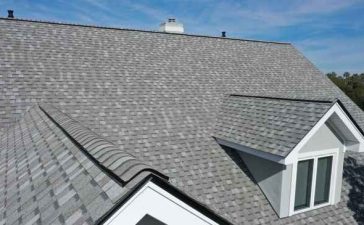
For example, asphalt shingles, while inexpensive, may not be the most durable option in areas prone to severe weather. In contrast, architectural shingles may cost more upfront but offer better protection and longevity, reducing the need for future repairs. If you’re unsure about which materials to use, consult with a professional roofer who can recommend the best options based on your specific needs.
Additionally, some roof repairs may only require partial replacement of materials, such as replacing a few damaged shingles rather than re-roofing the entire surface. If you opt for repairs instead of a full replacement, make sure the materials you choose match the existing ones to maintain the integrity of your roof’s appearance and performance.
4. Consider Roof Coatings for Extended Life
One of the most cost-effective ways to extend the lifespan of your roof is by applying a roof coating. Roof coatings are protective layers that are applied to the surface of your roof to enhance its durability and resistance to the elements. These coatings can help prevent water infiltration, reduce energy costs, and increase the longevity of the roof.
In particular, elastomeric roof coatings are a popular choice for homeowners looking to protect their roofs without the high cost of a full replacement. These coatings are flexible, UV-resistant, and can be applied directly to various types of roofs, including flat roofs, metal roofs, and shingle roofs. Roof coatings can significantly reduce the frequency of repairs by preventing damage from the sun, rain, and other environmental factors.
Applying a roof coating can be a DIY project, saving you money on labor costs. However, as with any project, it’s important to ensure the roof surface is clean and in good condition before applying the coating. If your roof has significant damage or deterioration, it’s best to consult with a professional roofer before applying a coating.
5. Choose Repair Over Full Replacement
One of the most common—and costly—mistakes homeowners make is opting for a full roof replacement when a repair is all that’s needed. While replacing a roof may seem like the best solution for an aging or damaged roof, it is often unnecessary if the damage is localized.
For example, if only a small section of shingles is damaged or a leak is present, a roof repair might be all that’s required to restore the roof’s functionality. A professional roofer can assess the damage and provide you with a repair estimate that may be significantly less expensive than a full replacement.
Additionally, many roofing materials are designed for easy patching and repairs, meaning you don’t always have to replace the entire roof to address the problem. Make sure to get a second opinion from a reputable roofer to determine whether a repair is viable before committing to a full replacement.
6. Timing Matters: Take Advantage of Off-Season Discounts
Roofing companies often experience peak demand during the warmer months, especially after harsh weather conditions. As a result, roofing contractors may charge higher rates during these busy seasons. If you want to save money on roof repairs, consider scheduling your work during the off-season, such as late fall or early spring. During these times, contractors may offer discounts or more flexible pricing due to lower demand.
In addition to lower rates, scheduling repairs during the off-season can also result in quicker service and shorter wait times. Since roofing companies aren’t as busy during these months, they may be able to complete your repair sooner, reducing the inconvenience of having a damaged roof.
7. Check Your Insurance for Coverage
In some cases, roof repairs may be covered by your homeowner’s insurance, especially if the damage was caused by a covered event such as a storm or fire. Before starting any repairs, it’s wise to check your insurance policy to see if roof damage is covered and whether you need to file a claim. If the damage is extensive enough, insurance may help cover a significant portion of the cost.
However, keep in mind that insurance claims often come with deductibles and may affect your premiums. Weigh the costs carefully and consult with your insurance provider to understand the full implications of filing a claim.
8. Get Multiple Quotes
Before committing to any roofing repair, it’s always wise to get multiple quotes from different contractors. By shopping around and comparing estimates, you can find a reputable roofer offering competitive prices. Be sure to check reviews, ask for references, and verify that the contractor is licensed and insured.
Choosing the right contractor for your roof repair can save you money in the long run, as a good roofer will do the job correctly the first time, preventing the need for repeat repairs or further damage.
Conclusion
Roof repairs can seem daunting, but with the right approach, you can save a significant amount of money while ensuring your roof remains in excellent condition. By prioritizing proactive maintenance, tackling small repairs yourself when possible, choosing the right materials, and opting for timely interventions like roof coatings, you can extend the life of your roof and avoid the high costs of unnecessary replacements. Remember, the key to cost-effective roofing lies in prevention, smart repairs, and working with trusted professionals who can help you make informed decisions. With these cost-saving secrets, you can protect your home, your wallet, and your peace of mind.
Natalia Rose