The evolution of technology has fundamentally transformed how we interact with our homes. Gone are the days of manually adjusting thermostats, switching off lights, or fumbling for a remote control to adjust the TV. Today, the concept of a “smart home” offers a level of convenience, security, and energy efficiency previously unimaginable. At the heart of this transformation are two primary elements: smart devices and broader technological advancements. While both serve to elevate the modern living experience, the question arises: what works best in a smart home? Is it the individual smart devices that integrate seamlessly into daily life, or is it the larger, more advanced tech infrastructure that makes a home truly intelligent?
In this article, we will delve into the distinctions between smart devices and overarching technology in the context of smart homes. By exploring their individual roles, benefits, and limitations, we can better understand how they complement each other and ultimately enhance our living spaces.
Understanding Smart Devices: The Building Blocks of a Smart Home
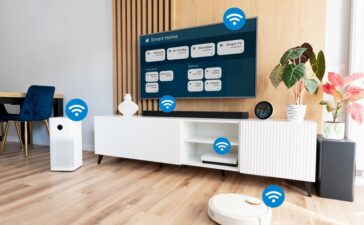
Smart devices are the tangible components that bring the concept of a smart home to life. These include products like smart thermostats, lights, security cameras, smart speakers, and even smart refrigerators. What makes these devices “smart” is their ability to connect to the internet and be controlled remotely via smartphones, voice assistants, or automation systems. Their appeal lies in their convenience and the enhanced control they offer over various aspects of the home.
Convenience and Accessibility
The most immediate benefit of smart devices is convenience. With a simple command or tap, you can adjust the temperature, change the lighting, lock doors, or check security footage from your smartphone. Voice-controlled smart assistants like Amazon Alexa, Google Assistant, and Apple Siri allow you to operate multiple devices simultaneously using just your voice. The ease with which you can control your home from virtually anywhere — whether you’re at work, on vacation, or in another room — is undeniably appealing. It not only saves time but also eliminates the need for cumbersome remotes, switches, and manual intervention.
Personalization and Customization
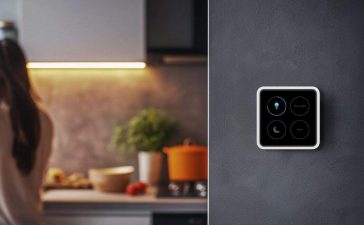
Smart devices also offer unparalleled levels of personalization. Consider smart lighting, for example. With a system like Philips Hue, you can not only dim lights but change their colors, adjust their warmth, and set them to specific schedules based on your preferences. Whether you prefer a bright, invigorating light to start the day or a soft, ambient glow for the evening, smart lighting allows you to tailor your environment to your mood and activity. This level of customization extends across various devices — from the temperature settings on a smart thermostat to the sound levels and playlists available on a smart speaker.
Energy Efficiency and Cost Savings
One of the most compelling reasons to invest in smart devices is their potential to increase energy efficiency. Smart thermostats like Nest and Ecobee use sensors and learning algorithms to monitor your habits and adjust the heating or cooling automatically. This means the system can save energy by reducing usage when you’re not home or when you’re asleep. Similarly, smart lights only turn on when they detect motion, and they can be scheduled to turn off when you leave a room. This automation can lead to significant cost savings over time, making your home not only smarter but also more eco-friendly.
Security and Safety
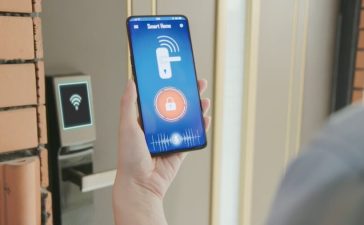
Smart security devices, such as cameras, motion sensors, and doorbell cameras, offer added protection for the home. Devices like Ring or Nest Cam allow homeowners to monitor their property remotely and receive real-time alerts if any unusual activity is detected. Smart locks, meanwhile, can be controlled remotely, allowing homeowners to lock or unlock their doors from anywhere, and even grant temporary access to guests or service personnel. This advanced layer of security offers peace of mind, knowing that you can monitor and control your home’s safety 24/7.
The Role of Technology in a Smart Home: The Infrastructure that Powers It All
While smart devices enhance specific aspects of a home, technology, in its broader sense, is the invisible force that binds these devices together, creating a truly integrated smart home ecosystem. This encompasses the wireless networks, software platforms, and automation systems that ensure seamless communication between all devices.
The Backbone of Automation
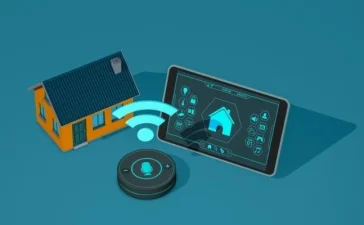
A truly smart home operates on the principle of automation — devices working together to create an intelligent, efficient living environment. This is where the broader technological infrastructure comes into play. Cloud computing, machine learning, and artificial intelligence (AI) power these smart devices, allowing them to anticipate your needs and respond proactively. For instance, a smart home hub, like Samsung SmartThings or Apple HomeKit, acts as the central point of control, connecting all compatible smart devices into one cohesive system.
When properly set up, a smart home can automate routines to suit your lifestyle. For example, your system might recognize that you typically wake up at 7 a.m. and automatically adjust the thermostat to a comfortable temperature, turn on your coffee machine, and open the blinds, all before you even leave your bed. Similarly, it can automate security features, such as arming your security system when you leave the house and turning on exterior lights when you return after dark.
Integration and Interoperability
While smart devices offer an abundance of functions on their own, it’s the integration of these devices with broader technology that truly enhances the smart home experience. Devices from different manufacturers often work together via platforms like Alexa, Google Assistant, or Apple HomeKit, enabling interoperability. This means that a smart speaker, thermostat, light bulb, and security system can all be controlled through one central hub, whether that’s your voice assistant or a smartphone app.
Moreover, advancements in AI are making these systems more intelligent and responsive. As AI learns from user behavior, the system becomes more proactive, anticipating needs rather than just reacting to commands. For example, a smart home system may learn your preferences over time, such as the exact temperature you like when you come home from work, and automatically adjust without any need for manual input.
Connectivity and the Internet of Things (IoT)
At the core of a smart home’s technology is its connectivity. Smart devices rely on the Internet of Things (IoT), which connects all devices in your home to a central network via Wi-Fi or other communication protocols. This ensures that every device can communicate with each other, making it possible for you to control multiple aspects of your home simultaneously and remotely.
This interconnectedness is essential for creating a seamless smart home experience. Whether it’s syncing your thermostat with your lighting system or having your security camera send footage to your smartphone when motion is detected, the broader technology behind the devices ensures everything works together effortlessly.
Smart Devices vs. Technology: What Works Best?
The question of whether smart devices or broader technology works best in a smart home doesn’t have a clear-cut answer. The truth is, both are essential to creating a fully functioning smart home. Smart devices are the visible, user-friendly components that enhance convenience, security, and comfort. They offer direct interaction and immediate benefits that can significantly improve the day-to-day living experience.
However, the true power of a smart home lies in the underlying technology that connects and automates these devices. Without the broader technological infrastructure — from AI and machine learning to cloud computing and IoT connectivity — smart devices would remain isolated and less effective. It’s the combination of innovative devices and advanced technology that creates a home capable of learning from and adapting to its inhabitants, providing a seamless and efficient experience.
In this sense, smart devices and technology are not opposing forces, but complementary elements that work together to make a home truly intelligent. The smart devices provide tangible, hands-on benefits, while technology enables automation, connectivity, and a higher level of integration.
Conclusion
In a smart home, both smart devices and technology play indispensable roles, each enhancing the other to create a harmonious, intelligent living environment. Smart devices allow for convenience, security, and personalization, while the underlying technology ties everything together, offering the automation and integration that make a home truly “smart.” For homeowners seeking to build a truly connected home, the combination of these two elements — devices that can be directly interacted with and the infrastructure that powers them — creates an ideal living space that is both efficient and responsive. Whether you prioritize the hands-on control of smart devices or the seamless, automated experience provided by modern technology, a smart home promises to elevate your lifestyle in ways previously unimaginable.