Home is where the heart is, and it should be a reflection of who you are, your tastes, and your personality. Yet, creating a home that feels both comfortable and aesthetically pleasing can be a challenge, especially when it comes to finding the right balance between function and beauty. One of the most effective, transformative, and often overlooked tools in home decor is wall art. Wall art serves not only as an aesthetic enhancer but also as a statement piece that communicates style, mood, and individual character.
Incorporating the right wall art into your home can dramatically elevate the space, adding visual interest, dimension, and emotional resonance. Coupled with thoughtful interior design choices, wall art can turn any room into a cohesive and inspiring environment. This article will delve into how you can improve your home with wall art, offering insights on choosing the right pieces, hanging them strategically, and blending them seamlessly with the overall interior design.
The Power of Wall Art in Home Decor
Wall art has the ability to completely transform a room. It can set the tone for the space, create focal points, and tie together different design elements. Whether it’s a large, bold painting, a collection of photographs, or an intricately framed quote, wall art communicates something deeper than mere decoration. It tells a story, evokes emotions, and gives the room a sense of personality that no piece of furniture can quite match.
The impact of wall art goes beyond its visual appeal—it also influences how a space feels. For example, soothing nature scenes can make a room feel calm and serene, while vibrant abstract art might inject energy and creativity into an otherwise neutral setting. Therefore, choosing wall art should be done thoughtfully, with an understanding of how it can contribute to the desired atmosphere of your home.
Choosing the Right Wall Art for Your Space
Selecting the right wall art for your home is an essential step in creating a harmonious and visually appealing interior. Here are some tips to guide you in making the perfect choice:
1. Understand the Mood You Want to Create
Each room in your home serves a different purpose, and the wall art you choose should reflect this. The art in your living room, for example, might be more vibrant and energizing to encourage conversation and activity, whereas the art in your bedroom should contribute to a calming and restful atmosphere.
For a cozy, intimate setting, consider soft landscapes, nature-inspired pieces, or abstract art with muted tones. In a dining area, you might choose pieces that stimulate conversation, such as vintage prints, food-inspired artwork, or intricate illustrations. Children’s rooms often benefit from fun, colorful art that sparks imagination, while home offices should feature motivational pieces or artwork that enhances focus and productivity.
2. Consider Scale and Proportion
A common mistake when hanging wall art is choosing pieces that are too large or too small for the wall space. If you have a large wall, opt for bold, oversized artwork that fills the space and makes a statement. For smaller rooms, choose smaller pieces or a gallery wall arrangement that creates visual interest without overwhelming the space.
Another approach to scale is creating groupings of artwork—a series of smaller prints or framed photographs that form a cohesive narrative. This technique works well for spaces with limited wall space but still allows you to introduce multiple pieces in a way that feels unified.
3. Match the Art to Your Interior Style
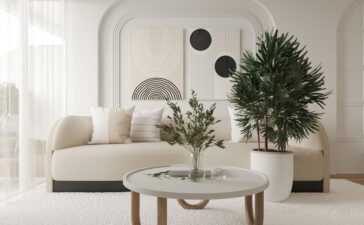
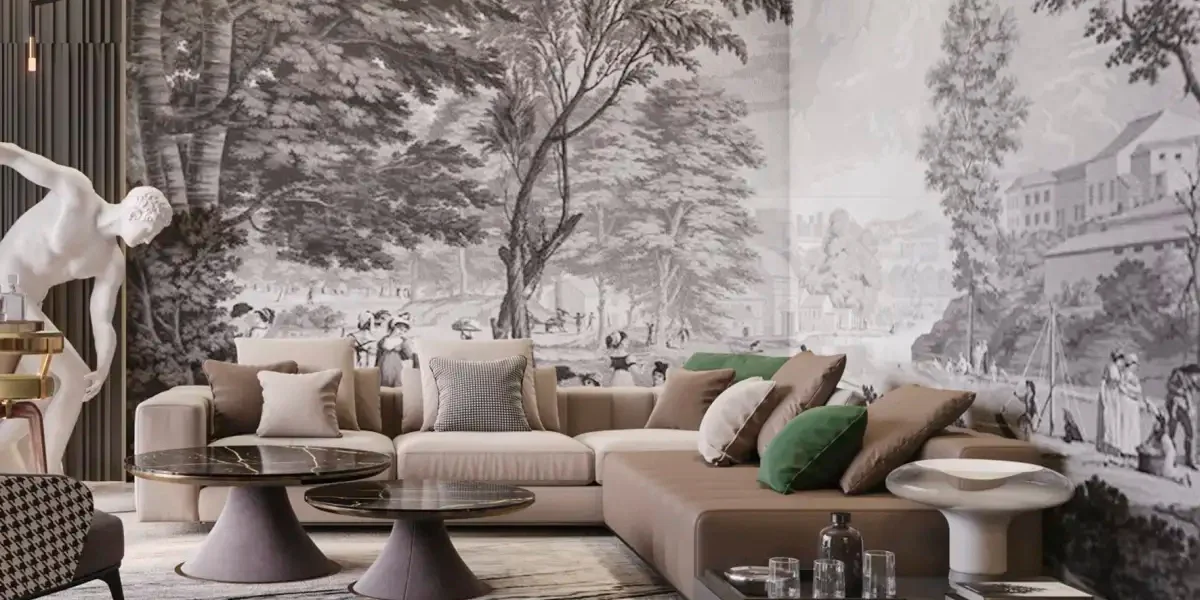
The wall art you select should complement the overall style and theme of your home. If your space is modern, you might prefer minimalist art with clean lines, geometric shapes, or monochromatic color schemes. In a traditional home, ornate frames and classical art like portraits, landscapes, or vintage pieces might work best.
For a bohemian style, look for eclectic pieces, perhaps with vibrant colors, abstract patterns, or culturally inspired art. On the other hand, Scandinavian interiors may lean toward simple, natural pieces such as black-and-white photography or minimalist line drawings.
4. Choose Art that Resonates with You
While it’s important to consider the style of your home, wall art is a personal expression of your tastes and values. Choose artwork that resonates with you emotionally. Whether it’s an artwork that reminds you of a place you’ve visited, a piece that speaks to your love of nature, or an abstract work that stirs your imagination, selecting art you truly connect with will make your home feel more authentic.
How to Hang and Display Wall Art
Once you’ve chosen the perfect pieces of wall art for your home, the next step is displaying them in a way that maximizes their impact. Here are some helpful tips for hanging and arranging your art:
1. Create a Focal Point
A single, striking piece of art can create an eye-catching focal point in a room. This might be a large painting over a sofa or a bold photograph above a fireplace mantel. This piece should be positioned at eye level to have the greatest visual impact.
If you’re displaying multiple pieces, arrange them in a cohesive way that draws attention to a particular area of the room. You might group several pieces around a central point or create a symmetrical arrangement to achieve balance and harmony.
2. Consider Frame Styles
The framing of your artwork plays an important role in how it complements your space. For a modern look, opt for clean, sleek frames in black, white, or metallic finishes. For more traditional or eclectic designs, wooden frames or ornate details can work beautifully.
If you have multiple pieces of art, consistent framing can help tie them together, even if the art itself varies in style. Choosing a neutral frame color, such as black or gold, can create a sense of continuity throughout the room.
3. Gallery Walls: A Collection of Stories
A gallery wall is a perfect way to display a variety of artwork, photographs, or prints in a cohesive and dynamic manner. Gallery walls allow for more creativity and flexibility in how pieces are displayed, whether you opt for a grid layout or a more freeform arrangement. When creating a gallery wall, ensure there is a balance of spacing between the pieces to avoid a cluttered look.
To make a gallery wall feel more cohesive, consider sticking to a particular color palette or theme. Alternatively, mix and match frame styles for an eclectic yet harmonious display.
4. Mixing Different Types of Art
A successful art display often incorporates variety—mixing different types of art can add depth and interest to your walls. Try combining paintings with framed photography, sculptures, or textiles such as woven wall hangings. The key is to find a balance between the different mediums and ensure that each piece feels like it belongs.
Integrating Wall Art with Interior Design
Wall art is just one component of interior design, but when integrated thoughtfully, it enhances the entire aesthetic of a room. Here’s how to ensure your artwork and overall design come together in harmony:
-
Match Art with Color Scheme: Your wall art should complement the color palette of the room. If your room features neutral tones, a bright, bold painting can serve as a statement piece. Conversely, if your space is filled with vibrant hues, consider choosing art that incorporates similar colors to tie the look together.
-
Use Art to Balance the Room: If a room feels too one-dimensional, wall art can introduce texture and contrast. A metal sculpture or abstract painting can add dimension to a flat wall. Similarly, art can balance heavy furniture by drawing attention to lighter areas of the room.
-
Ensure Proportions are Right: Wall art should never overwhelm the space. Ensure the size of your art is proportionate to the furniture and other elements in the room. An oversized canvas can dominate a small room, while tiny prints may get lost in a large, open space.
Conclusion
Wall art is an essential and powerful tool in transforming your home into a space that reflects your personal style, mood, and creativity. When chosen thoughtfully and displayed with care, art has the ability to elevate your living spaces and provide a sense of completeness. Whether you prefer bold, modern paintings or serene nature prints, the key to using wall art effectively is aligning it with your home’s aesthetic and your emotional connection to the pieces. By following the guidelines above, you can create an environment that feels both beautiful and meaningful, transforming your home into a true work of art.