Gardening is both an art and a science, and much like any craft, the right tools make all the difference in achieving a successful and enjoyable experience. Whether you’re cultivating a small urban garden, managing a sprawling backyard, or maintaining your outdoor space, having the right tools at your disposal is essential. From trowels and spades to pruning shears and hose nozzles, each tool plays a specific role in ensuring your plants thrive and your outdoor areas remain neat and inviting. In this article, we’ll take a comprehensive look at the most essential gardening tools and outdoor equipment, providing you with the knowledge to choose the best tools for your needs.
The Basics of Gardening Tools
When it comes to gardening tools, there’s a wide variety, each designed for specific tasks. The first step to creating a flourishing garden is understanding what each tool is used for, as well as its functionality and maintenance. Let’s break down the primary categories of gardening tools and explore their purpose and value.
1. Hand Tools: The Essentials for Precision Work
Hand tools are fundamental in any garden, perfect for detailed, close-up work such as planting, weeding, and small-scale pruning. These tools are typically lightweight and designed for comfort and precision. The most important hand tools include:
-
Trowel: A small, hand-held tool with a pointed, scoop-shaped blade, perfect for digging small holes, planting seedlings, and transferring soil. It’s one of the most commonly used tools in any gardener’s arsenal.
-
Hand Fork: With short, sturdy prongs, the hand fork is ideal for loosening soil, aerating garden beds, and pulling up weeds. Its compact size makes it suitable for confined spaces and smaller tasks.
-
Weeder: This specialized tool is designed to remove weeds, especially those with deep or taproots. Some weeders have a long handle, while others are short and handheld, making them versatile for different gardening styles.
-
Pruning Shears (Secateurs): Pruning shears are essential for trimming and shaping plants. They come in various sizes, with bypass pruners being ideal for clean cuts on live plants, and anvil pruners better suited for cutting dead wood.
Hand tools are indispensable for gardeners who take pleasure in cultivating their gardens with precision. Proper care and sharpening of these tools can significantly extend their lifespan.
2. Digging and Cultivating Tools: For Creating and Maintaining Healthy Soil
A healthy garden starts with rich, well-prepared soil. For this reason, digging and cultivating tools are essential. These tools help break up compacted soil, remove debris, and create an ideal environment for plant roots. Key tools in this category include:
-
Spade: A flat-bladed tool used for digging, edging, and lifting soil. Spades are perfect for planting larger plants, digging trenches, or dividing perennials. The sturdy design makes it an essential tool for moving soil and garden materials.
-
Shovel: Unlike a spade, which has a flat edge, a shovel has a curved blade, making it ideal for scooping and lifting soil, compost, or mulch. It’s especially useful for loading materials onto wheelbarrows or for digging deeper holes.
-
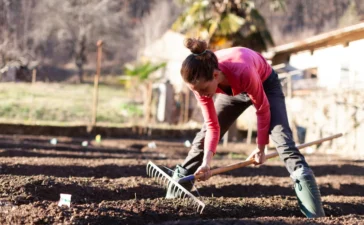
Hoe: A hoe is used for cultivating soil, removing weeds, and aerating garden beds. The long handle allows you to work efficiently without bending over, making it an excellent choice for larger gardens.
-
Rake: Rakes are essential for leveling soil, collecting leaves, and smoothing out garden beds. There are several types of rakes: leaf rakes, garden rakes, and landscape rakes, each serving a different purpose based on the job at hand.
These tools are the backbone of garden preparation and maintenance. For those tending to larger garden areas, investing in a high-quality spade or shovel can make these tasks significantly easier.
3. Watering Equipment: Ensuring Proper Hydration
Water is one of the most critical elements for plant growth, and the right watering tools ensure your plants receive the right amount of hydration. Whether you’re watering a few pots or an expansive garden, various tools can optimize your efforts:
-
Watering Can: A classic and indispensable tool for smaller gardens or containers, watering cans come in various sizes and designs. Look for one with a long spout for better precision and control.
-
Garden Hose: A hose is perfect for larger spaces where a watering can would be impractical. Modern hoses come with adjustable nozzles, allowing you to control the water flow. Some even feature built-in timers or pressure regulators for convenience.
-
Sprinkler System: For those with larger gardens or lawns, a sprinkler system provides an efficient solution to evenly distribute water over a wide area. These can be stationary or rotating, depending on the coverage you require.
-
Drip Irrigation: For a more water-efficient approach, drip irrigation delivers water directly to plant roots, minimizing waste and preventing overwatering. It’s ideal for vegetable gardens or flower beds that require consistent moisture.
Choosing the right watering system for your garden is crucial for conserving water and promoting healthy plant growth. Be sure to consider factors such as the size of your garden, water pressure, and plant requirements when selecting watering tools.
4. Outdoor Power Equipment: For Larger Spaces and Heavy-Duty Tasks
For gardeners dealing with larger spaces or more demanding tasks, outdoor power equipment can be a game changer. These tools help you tackle projects like lawn maintenance, tree care, and large-scale landscaping. Some essential outdoor power tools include:
-
Lawn Mower: Whether you have a traditional push mower, a self-propelled model, or a ride-on mower, this tool is a must for keeping your lawn tidy and healthy. Lawn mowers come in a range of sizes and power sources, from gas-powered models to eco-friendly electric versions.
-
Leaf Blower: After raking or during the fall season, a leaf blower is incredibly useful for clearing away fallen leaves and debris. With both electric and gas-powered options available, leaf blowers make yard cleanup quick and efficient.
-
String Trimmer (Weed Eater): A string trimmer is an excellent tool for trimming grass and weeds along the edges of your lawn, sidewalks, and garden beds. It’s perfect for reaching areas that a lawn mower can’t access, such as corners and fences.
-
Chainsaw: For larger landscaping tasks, such as tree pruning or removal, a chainsaw is indispensable. It can also be used for cutting large branches and logs, making it a must-have for anyone with a significant amount of trees on their property.
While these tools are designed for larger or more demanding tasks, they should always be used with caution and proper safety gear, including gloves, goggles, and protective footwear.
5. Maintenance and Storage Tools: Keeping Your Equipment in Top Shape
To get the most out of your gardening tools, proper maintenance is key. Keeping your tools clean, sharp, and well-maintained extends their lifespan and ensures that they function optimally. Some tools to consider for maintenance include:
-
Sharpening Stone or File: Regularly sharpening the edges of your spades, shovels, and shears ensures clean cuts and reduces the effort required during use. A sharpening stone or file is an essential investment for keeping your tools in prime condition.
-
Tool Oil: Applying a light coat of oil to metal tools helps prevent rust and keeps them working smoothly. It also makes cleaning easier, as dirt and debris will be less likely to stick to the surface.
-
Tool Shed or Storage Rack: Proper storage is crucial for maintaining your tools. A dedicated shed or storage area keeps your tools organized, safe, and in good condition. Hanging racks or pegboards allow easy access and prevent tools from becoming damaged by being left out in the elements.
Conclusion: Equipping Yourself for Garden Success
Gardening is a rewarding and therapeutic activity that can transform your outdoor space, but it’s important to approach it with the right tools. By selecting the right hand tools, digging instruments, watering equipment, power tools, and maintenance gear, you set yourself up for success. Whether you’re a casual hobbyist or a dedicated gardening enthusiast, investing in quality tools is essential for achieving the results you desire. Remember, the key to a flourishing garden is not just in your green thumb but in the tools you choose to support your efforts. With the right equipment in hand, your outdoor space will thrive, and your gardening experience will be all the more enjoyable.