Healthy soil is the foundation of successful outdoor gardening. Proper soil preparation improves nutrient availability, supports root development, enhances water retention, and encourages beneficial microbial activity. Whether planting vegetables, flowers, or shrubs, preparing the soil correctly increases plant survival and long term productivity.
This guide explains practical soil preparation techniques that help create strong growing conditions for outdoor plants.
Why Soil Preparation Is Important Before Planting
Well prepared soil improves plant stability and nutrient absorption.
Key benefits of soil preparation include:
- Better root penetration and development
- Improved moisture retention capability
- Enhanced nutrient distribution
- Reduced weed growth competition
- Stronger resistance against plant stress conditions
Preparing soil before planting creates a supportive environment for healthy growth.
Clear The Planting Area Before Soil Preparation
Removing unwanted materials allows plants to grow without competition.
Important clearing steps include:
- Removing weeds from the planting surface
- Collecting stones and debris from the soil
- Removing dry roots from previous plants
- Leveling uneven ground areas
Clean planting spaces improve soil structure and reduce pest presence.
Test Soil Texture And Drainage Capacity
Understanding soil texture helps determine how much improvement is required before planting.
Common soil texture observations include:
- Sandy soil drains quickly but loses nutrients faster
- Clay soil retains moisture but may restrict airflow
- Loamy soil supports balanced plant growth
Improving soil texture ensures better root health and plant stability.
Add Organic Matter To Improve Soil Fertility
Organic matter strengthens soil structure and increases nutrient availability.
Effective organic materials include:
- Compost prepared from kitchen waste
- Dry leaves and plant residue
- Well decomposed garden waste
- Natural mulch materials
Mixing organic matter evenly improves moisture retention and microbial activity.
Loosen Soil To Support Root Expansion
Compacted soil prevents roots from spreading properly.
Steps for loosening soil include:
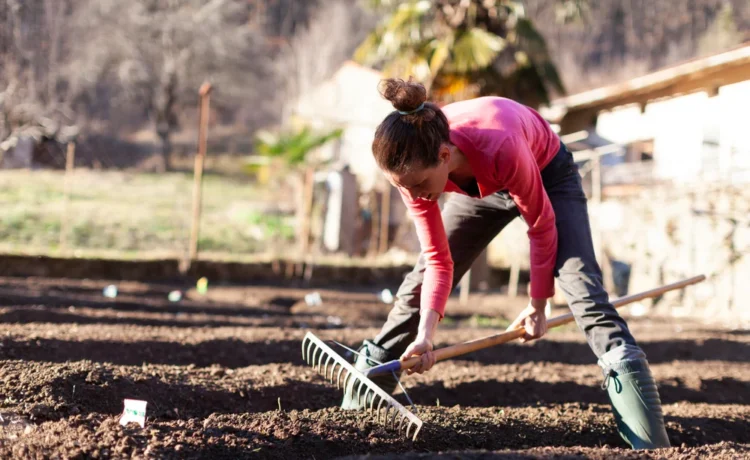
- Turning the top soil layer using hand tools
- Breaking large soil clumps carefully
- Avoiding excessive pressure on prepared beds
- Maintaining even soil depth across planting areas
Loose soil improves air circulation and water movement.
Balance Soil Nutrients Before Planting
Balanced nutrients support strong plant development during early growth stages.
Practical nutrient improvement methods include:
- Mixing compost into planting beds
- Adding natural organic amendments when required
- Rotating planting areas seasonally
- Avoiding excessive fertilizer use
Balanced soil nutrients reduce plant stress during early growth periods.
Maintain Proper Soil Moisture Before Planting
Moist soil supports better seed germination and root establishment.
Useful moisture preparation tips include:
- Watering soil lightly before planting
- Avoiding overly wet planting surfaces
- Maintaining moderate moisture levels
- Monitoring soil condition during preparation
Balanced moisture encourages faster plant adaptation.
Level And Shape Garden Beds For Efficient Growth
Proper bed structure improves drainage and simplifies maintenance.
Helpful shaping techniques include:
- Creating raised beds for improved drainage
- Maintaining walking paths between planting areas
- Keeping bed width manageable for easy access
- Ensuring even soil distribution across beds
Well shaped beds support efficient watering and maintenance.
Apply Mulch After Soil Preparation
Mulch protects prepared soil from erosion and moisture loss.
Benefits of mulching include:
- Reduced weed growth around plants
- Improved soil temperature stability
- Increased moisture conservation
- Protection against surface hardening
Mulch strengthens long term soil performance.
Frequently Asked Questions
How deep should soil be prepared before planting outdoor plants
Preparing soil to a depth of about twenty to thirty centimeters supports strong root development for most garden plants.
Can outdoor garden soil be improved without chemical fertilizers
Yes adding compost and natural organic materials improves soil fertility effectively without chemical inputs.
How often should garden soil be prepared before planting new crops
Soil preparation should be completed before every planting season to maintain nutrient balance and structure.
Is raised bed gardening better for poor quality soil areas
Raised beds allow better control over soil composition and drainage which makes them suitable for areas with poor native soil.
What tools are commonly used for soil preparation
Hand forks, spades, garden rakes, and hoes are commonly used to prepare soil for outdoor planting.
Should soil be watered immediately after preparation
Light watering helps settle soil structure but excessive watering should be avoided before planting seeds.
Can mulch be applied before planting seeds
Mulch is usually applied after planting to protect soil surface and support moisture retention around plants.