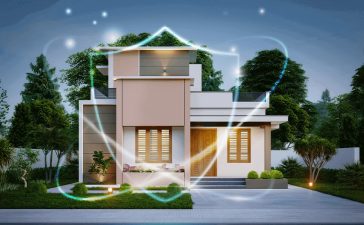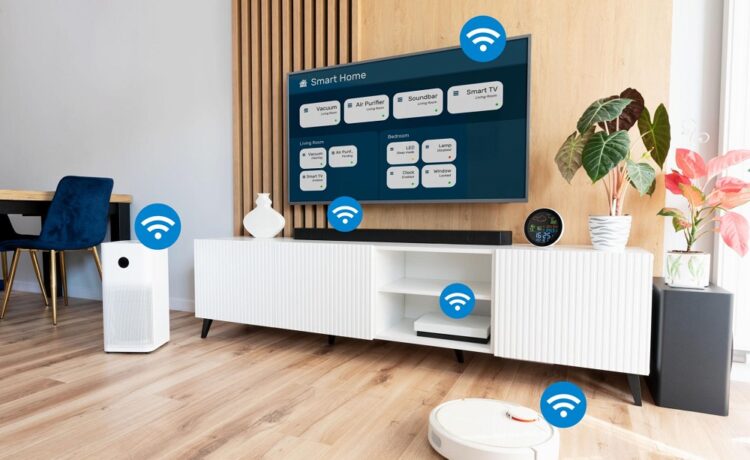
A smart home integrates internet-connected devices that automate everyday household functions such as lighting, temperature control, security, and entertainment. Instead of operating appliances manually, homeowners can manage systems remotely through smartphones, tablets, or voice commands.
This technology is no longer limited to luxury homes. Today, smart home solutions are accessible, scalable, and adaptable to apartments, independent houses, and rental properties alike. With thoughtful implementation, they improve convenience, energy efficiency, safety, and overall quality of life.
What Is a Smart Home
A smart home refers to a residence where appliances and systems communicate through a shared network and respond automatically or remotely. These devices operate using wireless technologies such as Wi-Fi, Bluetooth, Zigbee, or Z-Wave.
Typical smart home systems include
- Smart lighting
- Smart thermostats
- Security cameras and alarms
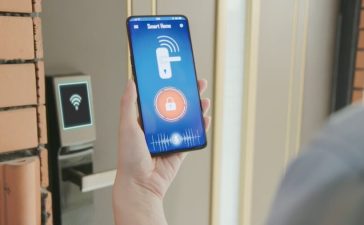
- Smart locks
- Voice assistants
- Connected entertainment systems
- Energy monitoring devices
These components work independently or together through centralized control platforms.
How Smart Home Technology Works
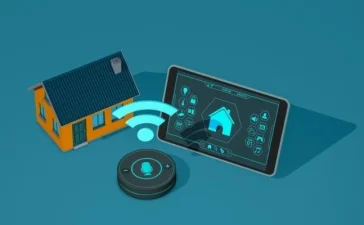
Smart home systems rely on three essential elements
Smart devices
These include connected appliances such as bulbs, locks, sensors, and cameras.
Network connectivity
Devices communicate through wireless protocols or local internet connections.
Control interface
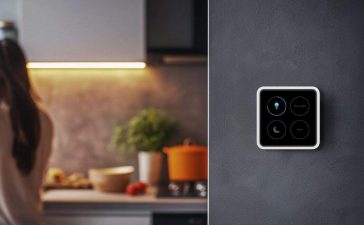
Users manage devices through mobile apps, dashboards, or voice assistants.
Many homes also use a smart hub that coordinates communication between multiple devices for smoother automation.
Key Features of a Smart Home
Smart homes provide multiple capabilities that simplify daily routines.
Remote Access
Homeowners can control appliances from anywhere using smartphones. For example
- Switching lights on before arriving home
- Locking doors remotely
- Monitoring security cameras while traveling
Automation and Scheduling
Devices operate automatically based on preset conditions such as time, motion detection, or temperature changes.
Examples include
- Lights turning on at sunset
- Air conditioning adjusting automatically
- Curtains opening in the morning
Voice Control
Voice assistants allow hands-free operation of devices through simple spoken commands.
Common tasks include
- Playing music
- Adjusting lighting brightness
- Checking weather updates
- Setting reminders
Real-Time Monitoring
Users receive alerts for unusual activity such as
- Door openings
- Motion detection
- Smoke alarms
- Water leakage
This improves home safety significantly.
Popular Smart Home Devices
Several devices form the foundation of a modern smart home setup.
Smart lighting systems
These allow brightness control, scheduling, and color customization.
Smart thermostats
They automatically adjust indoor temperature for comfort and efficiency.
Smart security cameras
They provide live monitoring and motion alerts.
Smart locks
They enable keyless entry and remote locking.
Smart speakers
They act as control centers using voice commands.
Benefits of Smart Homes
Smart homes offer advantages that extend beyond convenience.
Improved Energy Efficiency
Smart thermostats and lighting systems reduce unnecessary electricity usage by adjusting automatically based on occupancy and time schedules.
Enhanced Security
Real-time alerts and remote monitoring help homeowners respond quickly to suspicious activity.
Increased Comfort
Automated temperature control, lighting adjustment, and entertainment management create a personalized living environment.
Time Savings
Routine household operations become automated, reducing manual effort.
Property Value Enhancement
Homes equipped with automation features often attract higher market interest from buyers.
Challenges of Smart Home Adoption
Despite their advantages, smart homes come with certain limitations.
Initial setup cost
Advanced automation systems may require upfront investment.
Internet dependency
Most devices require stable connectivity for proper operation.
Compatibility issues
Not all brands integrate seamlessly with each other.
Privacy concerns
Users should secure networks and update device software regularly to protect personal data.
Careful planning helps reduce these concerns significantly.
Tips for Building a Smart Home
Setting up a smart home does not require upgrading everything at once. A phased approach works best.
Start with essential devices such as
- Smart lights
- Smart speakers
- Security cameras
Then expand gradually by adding
- Smart locks
- Thermostats
- Motion sensors
- Automation routines
Choosing devices compatible with a single ecosystem simplifies management.
The Future of Smart Homes
Smart home technology continues evolving rapidly with improvements in artificial intelligence and machine learning. Future systems will become more predictive and adaptive.
Expected developments include
- Homes that learn user habits automatically
- Improved voice interaction accuracy
- Energy systems integrated with renewable power
- Advanced health monitoring support for residents
These innovations will make homes safer, more efficient, and more responsive to human needs.
Frequently Asked Questions
1. Do smart homes require professional installation
Many entry-level smart devices are designed for easy self-installation. However, complex automation systems may benefit from professional setup.
2. Can smart home devices work without internet
Some devices function locally through Bluetooth or hubs, but remote access usually requires internet connectivity.
3. Are smart homes suitable for apartments
Yes. Wireless smart devices work well in rental spaces and do not require permanent structural changes.
4. How secure are smart home systems
Security depends on proper password management, software updates, and using trusted device manufacturers.
5. Can smart homes reduce electricity bills
Yes. Automated lighting and temperature control help reduce unnecessary energy consumption.
6. Is it possible to control multiple devices with one app
Most smart ecosystems allow centralized control through a single mobile application.
7. What is the best way to begin building a smart home
Starting with smart lighting or a voice assistant is the simplest and most affordable entry point into home automation.