Choosing the right roofing material affects your home’s durability, maintenance costs, energy efficiency, and resale value. Asphalt shingles and metal roofing remain two of the most widely used residential roofing options. Each offers distinct advantages depending on climate conditions, budget, and long-term expectations.
This comparison explains how both materials perform across important categories so homeowners can make informed decisions with confidence.
What Are Asphalt Shingles
Asphalt shingles are fiberglass or organic mats coated with asphalt and mineral granules. They are popular due to affordability, availability, and ease of installation.
There are three main types:
- Three-tab shingles
- Architectural shingles
- Premium designer shingles
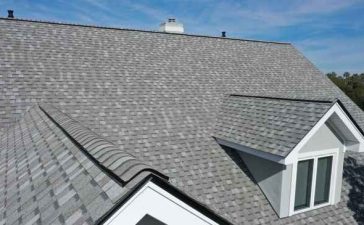
Architectural shingles are the most commonly installed today because they offer better durability and a layered appearance.
Advantages of Asphalt Shingles
- Lower upfront installation cost
- Widely available materials
- Easy and quick installation
- Suitable for most roof shapes
- Available in many colors and textures
- Simple repair process
Limitations of Asphalt Shingles
- Shorter lifespan compared to metal roofing
- Vulnerable to extreme heat and storms
- Higher long-term replacement frequency
- Can develop algae growth in humid climates
What Is Metal Roofing
Metal roofing is made from materials such as steel, aluminum, zinc, or copper. It is valued for durability, weather resistance, and long service life.
Common metal roofing styles include:
- Standing seam panels
- Corrugated metal sheets
- Metal shingles
Standing seam roofing is especially popular for residential applications because of its clean appearance and superior water resistance.
Advantages of Metal Roofing
- Long lifespan often exceeding several decades
- Excellent resistance to wind and fire
- Reflects sunlight and improves energy efficiency
- Lightweight compared to tile roofing
- Requires minimal maintenance
- Environmentally recyclable material
Limitations of Metal Roofing
- Higher initial installation cost
- Requires specialized installers
- Can be noisy during heavy rainfall without proper insulation
- Expansion and contraction may affect fasteners over time
Cost Comparison
Cost is often the deciding factor for many homeowners.
Asphalt Shingles
Asphalt shingles typically cost significantly less upfront. Installation is faster and labor requirements are lower, making them suitable for budget-focused projects.
However, replacement may be required sooner compared to metal roofing.
Metal Roofing
Metal roofing involves higher initial material and labor expenses. Despite this, its longer lifespan often results in better long-term value.
Homeowners planning to stay in their property long term often benefit more from metal roofing investment.
Durability and Lifespan
Durability plays a major role in roofing selection, especially in regions exposed to extreme weather.
Asphalt Shingles Lifespan
Typical service life ranges between 15 and 30 years depending on climate conditions and installation quality.
High heat exposure can shorten their durability.
Metal Roofing Lifespan
Metal roofing commonly lasts between 40 and 70 years with proper installation and maintenance.
It performs exceptionally well in areas exposed to strong winds, snow, and heavy rainfall.
Weather Resistance
Weather performance directly affects long-term roofing reliability.
Asphalt Shingles Performance
They perform adequately in moderate climates but may suffer damage from:
- strong winds
- hailstorms
- prolonged sun exposure
Metal Roofing Performance
Metal roofing offers superior resistance to:
- high wind speeds
- heavy snowfall
- fire hazards
- extreme temperatures
This makes metal roofing particularly suitable for harsh environments.
Energy Efficiency
Energy efficiency impacts indoor comfort and cooling costs.
Asphalt Shingles Efficiency
Traditional asphalt shingles absorb heat, increasing attic temperatures during summer.
Special reflective versions are available but less common.
Metal Roofing Efficiency
Metal roofing reflects solar radiation and reduces heat absorption.
This helps lower cooling expenses and improves indoor comfort in warmer climates.
Maintenance Requirements
Maintenance costs affect the long-term ownership experience.
Asphalt Shingles Maintenance
Routine inspection is required to check for:
- cracked shingles
- loose edges
- algae growth
Repairs are generally simple and affordable.
Metal Roofing Maintenance
Metal roofs require minimal maintenance.
Occasional inspection ensures fasteners remain secure and coatings remain intact.
Installation Complexity
Installation quality directly affects roof performance.
Asphalt Shingle Installation
Installation is straightforward and widely supported by contractors.
Replacement projects are faster compared to metal roofing installations.
Metal Roofing Installation
Metal roofing requires trained professionals.
Improper installation can reduce performance benefits and increase future repair risks.
Environmental Impact
Sustainability considerations influence many homeowners today.
Asphalt Shingles Environmental Impact
Most asphalt shingles end up in landfills after replacement.
Recycling programs exist but are not widely available everywhere.
Metal Roofing Environmental Impact
Metal roofing is often manufactured from recycled materials and remains fully recyclable after use.
This makes it a more sustainable roofing choice.
Appearance and Design Flexibility
Roofing style contributes significantly to exterior aesthetics.
Asphalt Shingles Appearance
They are available in a wide variety of colors and textures that complement traditional home styles.
Architectural shingles can mimic wood or slate.
Metal Roofing Appearance
Metal roofing offers a modern and clean look suitable for contemporary homes.
It is also available in multiple finishes and panel styles.
Which Roofing Option Is Better for Homeowners
The best roofing material depends on priorities.
Asphalt shingles are ideal for homeowners seeking affordability and quick installation.
Metal roofing suits those looking for durability, long-term savings, and improved energy performance.
Choosing between the two often comes down to budget, climate conditions, and expected ownership duration.
Frequently Asked Questions
Does metal roofing increase home resale value
Yes. Metal roofing often improves resale value because buyers appreciate its durability and reduced maintenance requirements.
Are asphalt shingles suitable for hot climates
They can be used in warm regions but may degrade faster under prolonged heat exposure compared to metal roofing.
Can metal roofing be installed over existing shingles
In many cases it can be installed over one existing shingle layer if the structure allows it and local building regulations permit.
Which roofing option is quieter during rain
Asphalt shingles are naturally quieter. Metal roofing can also remain quiet when proper insulation and underlayment are installed.
Is metal roofing more fire resistant than asphalt shingles
Yes. Metal roofing provides stronger fire resistance and is commonly rated among the safest roofing materials for wildfire-prone areas.
Do asphalt shingles require frequent replacement
They require replacement more frequently than metal roofing, especially in regions with extreme weather conditions.
Is metal roofing heavier than asphalt shingles
No. Metal roofing is typically lighter than asphalt shingles and places less structural stress on buildings.