When it comes to home decor, a central theme can transform a house into a sanctuary. Whether you’re looking to revamp a room or overhaul your entire living space, understanding how to choose and implement a cohesive theme is the key to creating a harmonious environment. From modern minimalism to eclectic bohemian flair, the theme you choose will dictate the atmosphere of your home, influencing everything from color palettes to furniture choices. But how do you select the right theme? What role does a theme play in home design, and how can you bring it to life in a way that feels both authentic and stylish? In this comprehensive guide, we’ll explore everything you need to know about choosing and executing a theme for home decor, ensuring that your space reflects your personality, lifestyle, and taste.
The Importance of a Theme in Home Decor
At first glance, the idea of a “theme” might seem limiting. After all, doesn’t home decor allow for personal expression and a range of styles? The truth is, a theme doesn’t restrict your creativity; rather, it provides a structure. It serves as the foundation upon which all your design choices are built. Think of it like the skeleton of a body, giving the space shape and coherence, while allowing for flexibility within the framework.
A theme in home decor ensures that the room or home doesn’t feel disjointed. Without a theme, you might find yourself accumulating mismatched furniture, cluttered accessories, and incongruent colors that disrupt the flow of a space. On the other hand, when a theme is thoughtfully executed, every element, from wall art to lighting fixtures, complements one another, creating a sense of balance and unity.
How to Choose a Theme for Your Home Decor
Choosing a theme can feel overwhelming at first, but it need not be complicated. Here are some thoughtful steps to guide you through the decision-making process:
-
Identify Your Personal Style
Begin by reflecting on your tastes. Are you drawn to classic, timeless pieces, or do you lean toward contemporary, cutting-edge designs? Perhaps you’re more comfortable in an organic, nature-inspired space, or you enjoy the energy of a bohemian environment. Recognizing your personal style is a great starting point, as it will help you decide what resonates most with you. -
Consider the Function of the Space
A theme must also take into account the purpose of the room. A living room designed for relaxation and conversation will differ greatly from a home office or a child’s bedroom. For example, a calming, neutral color scheme with soft textures might be appropriate for a bedroom, while a more vibrant, energized palette could suit a creative space like a studio or home office. -
Draw Inspiration from Your Surroundings
Your home’s architecture and surroundings play a pivotal role in the theme selection. An apartment in a modern, urban environment may lend itself well to a sleek, industrial theme with clean lines and raw materials like metal and concrete. A coastal home with ocean views, however, might call for a beachy, nautical theme using light colors, natural woods, and soft textiles that echo the serene landscape outside. -
Look to the Past, Present, and Future
Some of the most timeless home decor themes draw inspiration from historical periods or iconic design movements. You could explore Art Deco for a luxurious, vintage touch, or Scandinavian design for clean, functional, and minimalist aesthetics. On the other hand, modern trends, such as mid-century modern or minimalist industrial, provide a more current approach. Think about how you’d like your home to feel both today and in the future. Will your theme age well, or will it feel out of place in a few years? -
Create a Mood Board
If you’re still uncertain, creating a mood board can be a fantastic way to visualize your theme. Gather magazine clippings, fabric swatches, color samples, and images from websites like Pinterest to see what appeals to you. This tactile process often helps clarify your vision and highlights elements that you may want to include in your home decor.
Popular Themes for Home Decor
Now that you understand how to select a theme, let’s take a closer look at some popular options. Each theme offers a distinct vibe, allowing you to tailor your home’s atmosphere to match your personality.
-
Minimalist
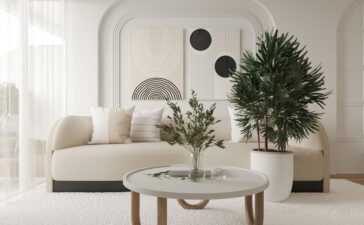
Minimalism is defined by its simplicity and clean lines. Characterized by neutral color palettes, uncluttered spaces, and functional furniture, minimalist decor emphasizes “less is more.” This theme often uses natural materials like wood and stone, and the focus is on creating an open, airy feel. It’s a great choice for those who prefer an organized, calm, and serene environment, free from excess. -
Bohemian (Boho)
Bohemian decor celebrates eclecticism and free-spiritedness. It draws inspiration from a variety of cultures, incorporating vibrant colors, textures, and patterns. Think plush textiles, colorful rugs, and furniture that tells a story. Whether it’s a mixture of vintage finds, ethnic prints, or artistic elements, the boho theme encourages creativity and individuality. It’s perfect for those who appreciate a more laid-back, artistic, and vibrant living space. -
Scandinavian
Scandinavian design is synonymous with simplicity, functionality, and beauty. The theme focuses on clean lines, minimalistic furniture, and a neutral color palette. Natural materials like wood, leather, and linen are prevalent, with an emphasis on warmth and comfort. The Scandinavian theme also integrates elements of hygge, a Danish term that signifies coziness and well-being. This style is ideal for those seeking a practical, stylish, and warm home. -
Industrial
Industrial design embraces raw, unfinished elements inspired by factories and warehouses. Exposed brick, metal, and concrete surfaces often define this style, complemented by vintage or reclaimed furniture. The color palette typically revolves around neutrals like grey, black, and brown. Industrial spaces often feature large windows, open floor plans, and statement lighting. This theme works well in urban settings and for those who appreciate a bold, rugged aesthetic. -
Coastal or Nautical
The coastal theme evokes the relaxing feeling of being by the sea. Soft blues, whites, and sandy tones create a light, airy feel, while natural textures like wicker, linen, and driftwood add an organic touch. Nautical decor includes accents such as anchors, ropes, and maritime-inspired accessories, bringing the charm of the beach indoors. This theme is ideal for anyone wanting to create a calming, refreshing, and serene environment. -
Traditional
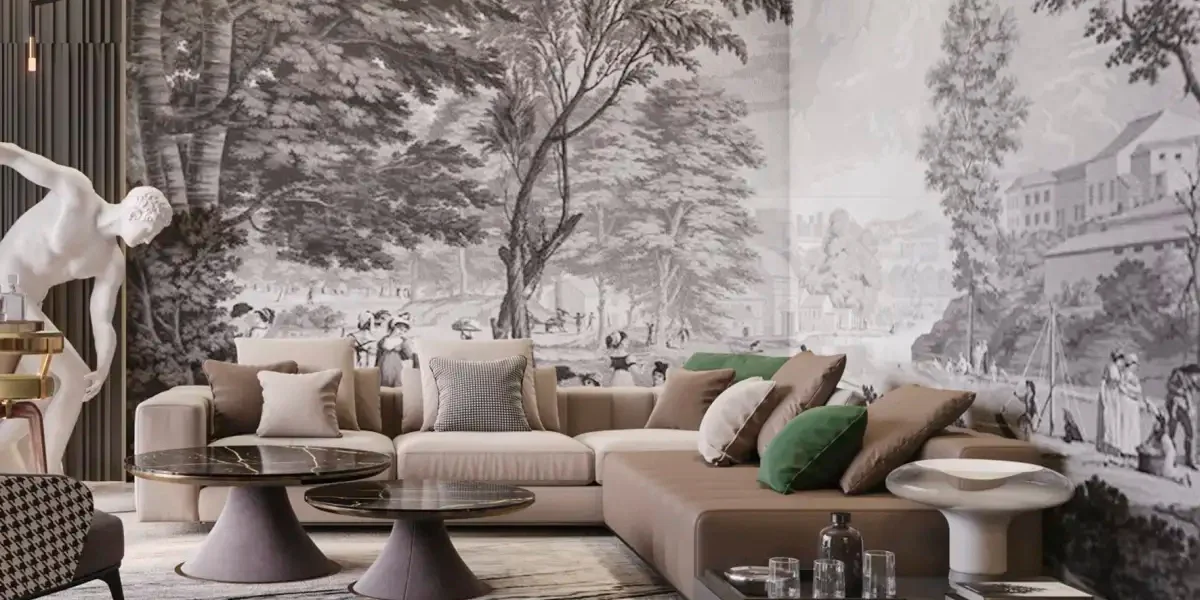
Traditional home decor is rooted in classic, timeless design. It features elegant furniture, ornate details, and rich color schemes. Dark woods, plush fabrics, and antique-style pieces often characterize this theme. If you value history and refined taste, traditional design offers a luxurious, sophisticated atmosphere that never goes out of style. -
Farmhouse
Farmhouse decor blends rustic charm with practicality. It features natural woods, vintage furniture, and cozy textiles, creating a warm and welcoming environment. The color scheme tends to be soft and neutral, with pops of color added through accessories like throw pillows or floral arrangements. This theme is perfect for those who want a homely, rustic feel with modern touches.
Bringing Your Theme to Life
Once you’ve selected a theme, the real fun begins: bringing it to life. Start by choosing a cohesive color palette, selecting furniture that aligns with your theme, and layering textures and accessories that reflect the chosen style. Remember that the beauty of home decor is in the details, so take your time curating your space thoughtfully.
Incorporating elements of your theme gradually, as opposed to all at once, allows for a more organic, personalized approach. Don’t be afraid to experiment and make adjustments as you go along. Your home should be a reflection of who you are, and it’s okay for the process to evolve over time.
Conclusion
A home decor theme provides a sense of cohesion, elevating your living space from a collection of furniture and accessories to a carefully curated environment that speaks to your style and preferences. From the minimalist to the bohemian, there are countless ways to incorporate a theme that makes your home feel uniquely yours. By considering your personal tastes, the functionality of each space, and the overall mood you want to create, you can design a home that is both beautiful and functional. With thoughtful planning and creativity, the right theme can transform your house into a home, inviting comfort, beauty, and a true sense of belonging.