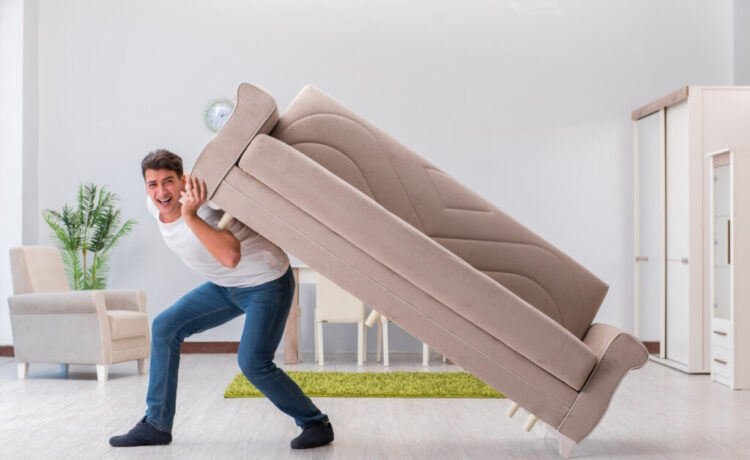
Moving furniture is one of the most challenging parts of relocation. Heavy weight, awkward shapes, and fragile surfaces make items vulnerable to scratches, dents, and breakage. With the right preparation and techniques, you can protect both your furniture and your home while reducing physical strain.
This guide explains practical steps that help ensure safe and damage-free furniture movement, whether you are shifting items within your home or transporting them to a new location.
Plan Before You Move Anything
Preparation prevents most moving-related damage. Before lifting anything, take time to evaluate the route and surroundings.
Key steps to follow:
- Measure furniture dimensions and compare them with doorway and hallway widths
- Identify tight corners or narrow passages
- Remove rugs, decorations, and obstacles from pathways
- Protect floors using cardboard sheets, blankets, or mats
- Keep children and pets away from moving areas
Planning reduces last-minute adjustments that often lead to scratches or accidents.
Disassemble Large Furniture Whenever Possible
Large furniture pieces are easier and safer to move when separated into smaller components.
Items commonly suitable for disassembly include:
- Beds
- Dining tables
- Wardrobes
- Modular sofas
- Office desks
Helpful tips:
- Store screws and fittings in labeled plastic bags
- Take photos before dismantling for easier reassembly
- Wrap detached parts individually
Disassembly reduces both weight and risk of structural damage.
Use Proper Packing Materials
Protective materials act as a shield against scratches, dents, and moisture.
Recommended materials include:
- Moving blankets for wooden surfaces
- Bubble wrap for delicate areas
- Stretch wrap for holding drawers and doors closed
- Foam corner guards for sharp edges
- Corrugated sheets for glass panels
Wrap furniture tightly but avoid excessive pressure that could damage finishes.
Lift Furniture the Right Way
Incorrect lifting is one of the main causes of injuries and furniture damage.
Follow these safe lifting practices:
- Bend your knees instead of your back
- Keep the item close to your body
- Maintain a firm grip before lifting
- Lift slowly and steadily
- Avoid twisting your torso while carrying
If a piece feels too heavy, do not attempt to move it alone.
Use Furniture Moving Tools
Professional movers rely on specialized equipment because it improves safety and efficiency.
Useful tools include:
- Furniture sliders for smooth floor movement
- Lifting straps for better weight distribution
- Dollies for transporting heavy items
- Hand trucks for stacked loads
These tools significantly reduce strain and prevent dragging damage on floors.
Protect Walls, Floors, and Doorways
Furniture damage often occurs while passing through tight spaces rather than during lifting.
Simple protective strategies:
- Cover corners with padding
- Use blankets along narrow passages
- Remove door frames temporarily if necessary
- Keep one person guiding movement from the front
Taking these precautions prevents chipped paint and surface marks.
Secure Furniture Properly During Transportation
If furniture is being transported in a vehicle, securing it correctly is essential.
Best practices include:
- Position heavier items at the base
- Place lighter items on top
- Use straps to prevent shifting
- Fill empty gaps with cushions or blankets
- Keep glass surfaces upright
Stable placement protects furniture from vibration and impact during transit.
Move Fragile Furniture With Extra Care
Certain items require special attention due to their delicate construction.
Examples include:
- Glass tables
- Antique pieces
- Marble tops
- Mirrors
- Upholstered furniture
Wrap these items with additional layers and move them separately whenever possible.
Work With a Team Instead of Moving Alone
Furniture movement becomes safer when responsibilities are shared.
Advantages of teamwork:
- Better balance while lifting
- Faster movement through tight spaces
- Reduced physical strain
- Lower risk of dropping items
Clear communication between helpers ensures coordinated movement.
Inspect Furniture After Moving
Once furniture reaches its destination, check each piece carefully.
Inspection checklist:
- Look for scratches or dents
- Tighten loose screws
- Reassemble components securely
- Clean protective wrapping residue
Early inspection helps identify minor issues before they become permanent problems.
Frequently Asked Questions
What is the safest way to move heavy furniture upstairs
Use lifting straps and move one step at a time with at least two people supporting the load from both ends. Keep the furniture tilted slightly upward and maintain steady coordination.
Should drawers be removed before moving furniture
Yes. Removing drawers reduces weight and prevents them from sliding open during movement, lowering the risk of damage.
Can furniture be moved without professional equipment
Yes. Household materials like blankets, cardboard sheets, and thick towels can provide adequate protection when specialized tools are unavailable.
How do I protect wooden furniture from scratches during moving
Wrap wooden surfaces with moving blankets and secure them using stretch wrap to keep coverings in place.
Is it safe to drag furniture across the floor
Dragging furniture can damage both the floor and the item itself. Always use sliders or lift the furniture instead.
What should be packed first when preparing furniture for relocation
Start with detachable parts such as cushions, shelves, glass panels, and drawers before moving the main structure.
How can I prevent furniture from shifting inside a moving vehicle
Use strong straps to anchor items and fill empty spaces with blankets or soft padding to stabilize the load.